Top section
Top section
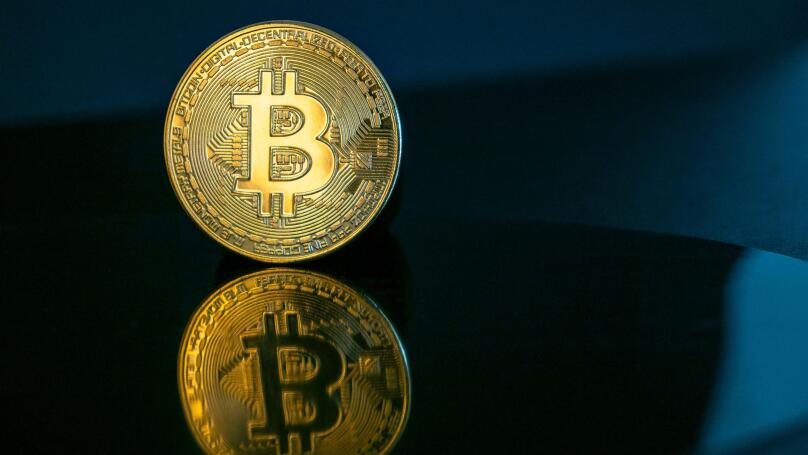
Bitcoin ABS edges forward as price plunge turns collateral to cash
When loans' LTVs hit 80%, Bitcoin stakes are liquidated in seconds


Congo picked the best of an unappealing bunch of options
The yield was ultra high but Congo had little room to manoeuvre

Yondr takes the stage, as Europe’s data centre ABS market comes of age
US market remains the model as template issuance takes shape
Sub-sections
-
 ◆ AFT's Antoine Deruennes says 'clear message' showed demand for 30 year ◆ Speedy execution before US employment data ◆ Green OAT syndication next
 -
◆ Refi deal came as issuer prepares IPO ◆ Deal extends the insurer's tier two curve by 10 years ◆ 'Strong bid' for Iberian FIG credit, says rival banker
-
◆ Portuguese utility firm powers up EuGB curve ◆ Sub-benchmark trade's book proves sticky ◆ Deal lands through fair value
-
◆ €500m 4NC3 EuGB deal priced inside fair value ◆ Greenium helps tighten spreads amid strong demand ◆ Landmark trade cements bank's ESG leadership, says treasurer
-
◆ Austrian lender completes its tightest unsecured debt since the start of war in Ukraine… ◆ …as BPM achieves its lowest ever senior spread ◆ High attrition function of premium and outright spread
-
◆ Issuer finds window between political volatility and supply onslaught ◆ Deal sets record low spread for callable sterling senior bail-in debt ◆ Investors remain on board despite tight price
-
Royal Dutch Shell was on the receiving end of a landmark court ruling last week that will compel the company to take profound climate change mitigation action. Not that you’d know from Shell’s bond curve. Time for fixed income investors to pull their heads out of the oil sand.
-
Three unprecedented events this week — a landmark court ruling against Shell and shareholder revolts at Chevron and ExxonMobil — signalled that investors and society at large have rejected the oil industry’s early attempts at joining the low carbon transition and are looking for much more radical action. Oil majors retain good access to capital markets, but the clock is ticking. Jon Hay reports.
-
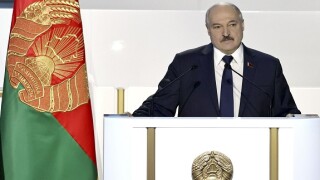
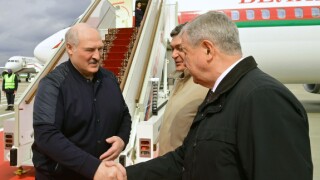
Belarus this week gave investors a chance to demonstrate the ESG credentials they are often so keen to trumpet. Few took it. Although the country’s sovereign bonds sold off in the wake of the controversial arrest of a journalist on Sunday, investors gave a number of reasons why issues such as human rights violations were no deterrent to buying an issuer’s bonds. But there are signs those excuses may not hold up for ever, writes Mariam Meskin.
-
Inside the office of Spondoolicks Emerging Market Bond Fund, May 24.
-
A Dutch court has ruled that Royal Dutch Shell is partly responsible for climate change and must reduce its global carbon emissions — including those caused when customers burn its products — by 45% from 2019 levels by 2030. If the ruling is sustained on appeal it would cause a seismic shift in the balance of power on climate change, with huge implications for financial markets.
-
Following the international outcry over the forced landing of a Ryanair passenger plane carrying a Belarusian dissident, some emerging markets investors are said to have had sudden doubts about the ESG characteristics of Belarusian sovereign bonds. What took them so long?



-
Benin showed Islamic issuance is a viable market for sub-Saharan African sovereigns
-
Sovereign left little, if anything, on the table for investors
-
Observers have questioned why the country is issuing debt at this price
-
Deal will bring fourth major multilateral development bank to the market
-
The bank's regular appearances in primary markets stopped after Russia invaded Ukraine
-
The seven year dollar bond's yield will likely be one of the highest in CEEMEA in the last few years


-
Craig Coben examines whether it is true that no good deed goes unpunished
-
Investors and bankers grapple with 24% fall in Bitcoin since deal was rated
-
Investment banking travel was a relentless grind, not gold card access to global glamour



-
Eight banks provided loan facility to company
-
Vaccine bond programme to issue $1.5bn this year but needs new pledges
-
First deal of its kind more than 1.5 times subscribed



-
Sponsored by Islamic Development Bank (IsDB)
Sukuk market’s next chapter: Financing the future, sustainably
-
-
Sponsored by CAF – Development Bank of Latin America and the Caribbean
CAF gearing up to transform regional development
-
Sponsored by Emirates NBD Capital
Emirates NBD Capital: An unrivalled conduit for Middle East liquidity