
Top section
Top section

Large auctions, new 30 year and ‘two-lens' pricing approach among key expectations for bloc’s July-December funding
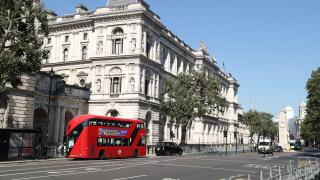
◆ DMO chief Jessica Pulay on why 2041s won out ◆ Swift execution 'a hallmark' of transaction ◆ Cover ratio slips but breadth holds firm

◆ Debate whether priced through US Treasuries ◆ Tighter than fixed ◆ Tenor handed investors optically pleasing spread




Data
More articles/Bonc comments/Ad
More articles/Bonc comments/Ad
More articles
-
 Finland and Germany have provided an update on their second quarter funding plans, with the former looking to issue its second euro benchmark of the year.
 -
The Republic of the Philippines sold its first zero-coupon bond in the Japanese market this week.
-
The Islamic Republic of Pakistan marketed its first dollar bond in more than three years this week, following the return of the country’s IMF programme. The triple tranche transaction raised the south Asian country $2.5bn — and proved its resilience in the face of the pandemic. Morgan Davis reports.
-
Dexia Credit Local was able to push the pricing of its new dollar benchmark on Tuesday thanks to pent-up demand for high quality paper in the currency.
-
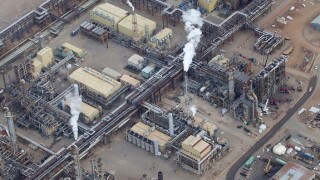
An environmental activist institute has argued that the bookrunners of a Korea National Oil Corp $700m bond priced on Tuesday are being inconsistent with their own climate policies, and might even be taking legal risks, because of the issuer's exposure to tar sands oil production in Canada.
-
As the first quarter draws to a close, Primary Market Monitor investigates how issuance conditions have changed for SSA and corporate borrowers since the coronavirus pandemic first struck, with notably more demand for high grade paper.





Sub-sections






-
Sponsored by Islamic Development Bank (IsDB)
Sukuk market’s next chapter: Financing the future, sustainably
-
Sponsored by CAF – Development Bank of Latin America and the Caribbean
CAF gearing up to transform regional development
-
Sponsored by European Investment Bank
European Investment Bank: Supporting sustainable development in North Africa
-



Comment