
Top section
Top section
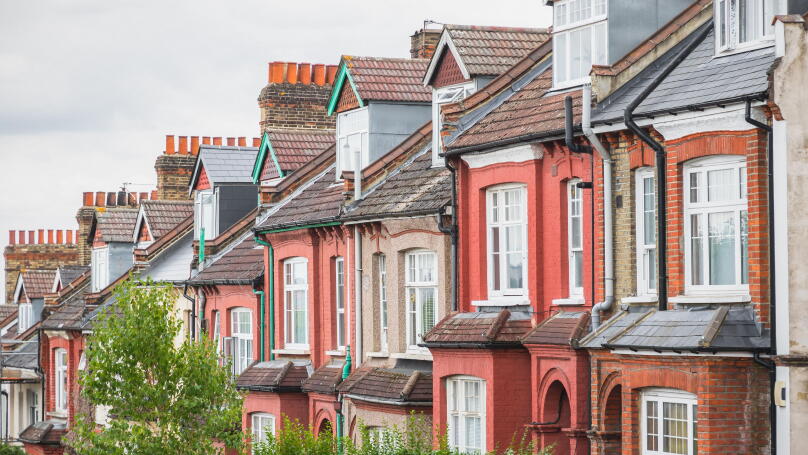
Bromford builds solid book for £250m SLB
◆ UK housing association starts at ‘conservative’ level to attract investors ◆ Deal offers some spread ◆ More domestic sterling supply expected ahead of UK Budget
◆ Stability leads to third day of FIG sterling issuance ◆ Rabo prints its first tier two four years ◆ BBVA completes first sterling senior bond since 2020

'The year is getting shorter': KfW brings 2026's final large benchmark
German agency has only €2bn to €2.5bn left to fund via smaller deals after €3bn green tap this week
DNB Bank pockets another tight €500m tier two
◆ Follows similar deal from regional peer Swedbank ◆ But earlier bond was already trading wide of reoffer ◆ Pricing prioritised, says banker off deal
◆ Stability leads to third day of FIG sterling issuance ◆ Rabo prints its first tier two four years ◆ BBVA completes first sterling senior bond since 2020
Sub-sections
-
 ◆ Receptive but crowded FIG market requires concessions for funding to clear ◆ BBVA goes big with its first SP in more than two years ◆ Bawag issues first bond after PTSB acquisition
 -
◆ KfW sells another green deal in active year for the label ◆ Less than 2bp NIP paid this time ◆ FMO prices in line with MuniFin, Tennet NL
-
◆ Sovereign brings new 12 year after recent yield sell-offs ◆ Books in line with recent green BTPs ◆ Both real and fast money accounts active
-
◆ ESB returns after three years with debut EuGB ◆ Ericsson draws bigger book with wider spread and shorter duration ◆ Both companies pay small NIPs
-
◆ Crossover credit sells second senior SLB of 2026 ◆ Deal lands tight to secondaries and peers ◆ Proceeds to refinance 2028 convertible maturity
-
◆ Issuer's joint-tightest spread since 2020 ◆ Constructive backdrop helped execution, says lead ◆ Busy primary market expected on Tuesday


-
Ericsson's second KPI focuses on aligning high emitting suppliers to a global warming target
-
New debt carries coupon ratchet linked to emissions performance
-
Quasi-debut establishes Gunvor curve wider than Trafigura's
-
McDermott founded Greentech Capital Advisors in 2009, selling the firm to Nomura in 2020
-
BofE asked to implement green mandate by getting tough on banks
-
Failure of two smaller UK energy companies turns up heat on sector credit


-
Deal multiple times oversubscribed as investors buy into electrification and AI story
-
◆ Another French agency brings early autumn deal ◆ International investors show support ◆ Priced to ensure performance
-
Shareholders sell down holdings in AutoStore and Orsted, as shipping company opens books ahead of Athens parallel listing
-
Société Générale and Standard Chartered provided euro and yen tranches respectively in first World Bank-backed transaction involving the Japanese currency
-
EM debt investors had largely expected a debt treatment would be required
-
Belgian car leasing company taps four banks and three investment firms





-
As war drags on, banks are boosting hoards of cash after deposit outflows
-
The euro tranche is a refi of a bond maturing later in September
-
Having to rate money-guzzling Anthropic and OpenAI will test the agencies’ nerve


-
US dollar market bursts to life after Labor Day holiday
-
Bankers welcome third and fourth deal in two weeks
-
◆ Pharma firm returns to euros after two years away ◆ Some concession needed for slim covered deal ◆ Koninklijke Philips adds to biotech flow


-
Sponsored by Republic of Côte d’Ivoire
Bond Awards 2026: Most Impressive Issuer in Africa — Republic of Cote d’Ivoire / Most Impressive Funding Official in Africa — Lancine Diaby
-
Sponsored by Crédit Agricole CIB
Syndicated Loan Awards 2025: Crédit Agricole CIB: Driving France’s loan market and ESG transition
-
Sponsored by Islamic Development Bank (IsDB)
Sukuk market’s next chapter: Financing the future, sustainably
-


