Top section
Top section
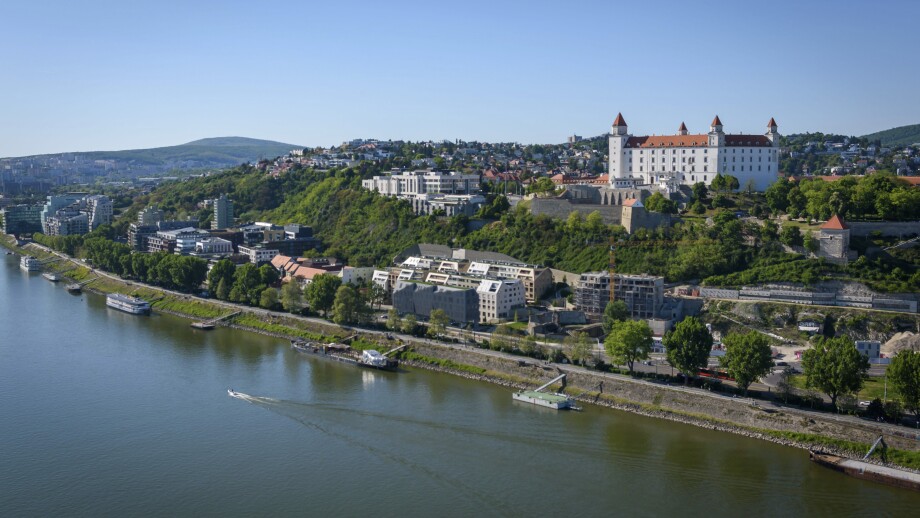
◆ Intesa Sanpaolo's Slovakian arm is a frequent issuer ◆ Banker said 33bp could be through FV ◆ CEE covereds offer the widest spread, ABN wrote

Books were €700m for what had been penned as a €750m deal
◆ Predictions for Gulf issuance change shape again ◆ Investment grade firms to pick tricky path through autumn ◆ The Alphabet effect: hyperscalers hit Kangaroo market




Data
More articles
More articles
More articles
-
 French agency Caisse des Dépôts et Consignations finished its 2020 syndicated funding programme with a visit to the Swiss market this week, printing an extremely tight deal through the high quality domestic covered bond curve.
 -
İşbank, Turkey's largest private bank by assets, has raised a dual tranche syndicated loan, with margins that were priced "fairly" considering the country's credit risk and general market conditions, according to bankers.
-
Renewed concerns over Chinese chipmaker Tsinghua Unigroup Co’s debt repayment abilities led to sharp drops in its onshore and offshore bonds this week. Addison Gong reports.
-
The Russian Federation and the Republic of Hungary brought euro-denominated trades on Thursday, taking the opportunity to get funding done during good conditions in the run-up to the US Thanksgiving holiday, after which liquidity is expected to dry up.
-
Gland Pharma has completed India’s largest pharmaceutical IPO, a Rp65bn ($870.6m) deal that sailed through on demand from institutional accounts. But the issuer’s Chinese ties and a wobble in pharma stocks blunted retail investor interest. Jonathan Breen reports.
-
Chinese property borrowers are increasingly taking a strategic approach to managing their liabilities by tendering old notes when new bonds are announced. The trend has taken off this year, and is set to be the norm as issuers become more proactive in tackling their refinancing needs sooner rather than later. Morgan Davis reports.


Sub-sections







-
Sponsored by CAF – Development Bank of Latin America and the Caribbean
CAF gearing up to transform regional development
-
Sponsored by Emirates NBD Capital
Emirates NBD Capital: An unrivalled conduit for Middle East liquidity
-
-
Sponsored by European Investment Bank
European Investment Bank: Supporting sustainable development in North Africa