Top section
Top section

CEB plunges into Sofr FRNs with $500m debut
New product 'ticks boxes' including more investor diversification for Paris-based supranational, which also sold its largest Kangaroo

Newfoundland prints 20 year, Crédit Agricole debuts a green covered bond
Lloyds lifts green senior euros after Yankee foray
◆ UK lender raises $4.5bn-equivalent in five senior holding company tranches this week ◆ Both deals target long dated funding ◆ Despite secondary widening, euro offering lands with hardly any premium

Crédit Agricole differentiates from competition with 'untested' 12 year SNP bullet
◆ Insurance companies anchor long dated green tranche with near-4% yield ◆ Curve extension debated ◆ Deal comes amid widening secondary spreads but lands with negligible premium
Newfoundland prints 20 year, Crédit Agricole debuts a green covered bond
Sub-sections
-
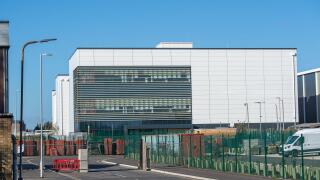
 Sterling deal securitizes two data centres in Slough
 -
International interest for German paper has grown
-
◆ Dutch lender's latest €2.5bn senior holdco follows Aussie domestic senior foray ◆ Comes a day after $1.5bn AT1 and before green RMBS ◆ Demand for senior unsecured assets is strong as ING clears big funding with limited, if any, new issue concession
-
◆ Issuer's first green benchmark in 2026 ◆ Blended premium estimated ◆ Central bank/official institution allocations 'notable and high' for green label
-
Bankers insist sustainability-linked loans are here to stay
-
◆ Demand sticky despite tight pricing ◆ Trade performing in secondary ◆ Tight senior/sub spread spotted


-
Only one of Canada's big five banks has yet to publicly support new defence bank initiative
-
Hyperscaler earnings could become a crucial date for issuance funding calendars
-
Cologix taps private ABS for latest trade
-
Chemical sector's growing uncompetitiveness a problem when it comes to attracting investment in the capital markets
-
Canada throwing full weight behind plan for new multilateral lender for defence funding
-
Second Canadian lender to declare official support for embryonic SSA issuer as government takes lead on establishing new entity



-
◆ Second ever bond for the issuer ◆ Deal marketed to both SSA and credit investors ◆ Offers potential for tightening on the back of southern European convergence trade
-
BSTDB has had a tricky time since Russia attacked Ukraine, both of which are shareholders
-
Commodities trader halves its stake for £132m after shares soar
-
◆ Deal follows NextEra’s euro hybrid debut last year ◆ Eight year tranche draws the larger book ◆ More Reverse Yankee issuance expected to follow
-
The familiar problem of inter-creditor opacity has also reappeared
-
'Hard to classify' Italian corporate trade being marketed to FIG and SSA accounts





-
Investors and bankers grapple with 24% fall in Bitcoin since deal was rated
-
Investment banking travel was a relentless grind, not gold card access to global glamour
-
Books were nearly three times the issue size



-
Peter Gleysteen is a 40-year veteran of the leveraged lending market and the CEO and founder of AGL Credit Management, which recently priced the largest CLO since the coronavirus pandemic began. He spoke with GlobalCapital about the future of the CLO market and how it is facing up to the challenges of the Covid-19 crisis.
-
As private creditors continue to resist calls to participate in coordinated debt relief efforts, a group of Ecuador’s bondholders appeared to be insisting that another path was possible as they said the South American sovereign had set a positive precedent for other EM sovereign debt restructurings likely to follow in the Covid-19 era.
-
At the end of June GlobalCapital and DZ Bank brought together some of Germany’s leading public sector bond issuers to discuss the impact of the coronavirus pandemic on their capital markets activities. Four months after the crisis began to be felt in Germany, representatives of the country’s development banks and Länder have come through the initial panic and reaction stage and are now beginning to understand more fully the extent of the damage the disease has caused to the economy and just how much their day-to-day lives have changed.


-
Sponsored by Islamic Development Bank (IsDB)
Sukuk market’s next chapter: Financing the future, sustainably
-
-
Sponsored by CAF – Development Bank of Latin America and the Caribbean
CAF gearing up to transform regional development
-
Sponsored by Emirates NBD Capital
Emirates NBD Capital: An unrivalled conduit for Middle East liquidity