Top section
Top section
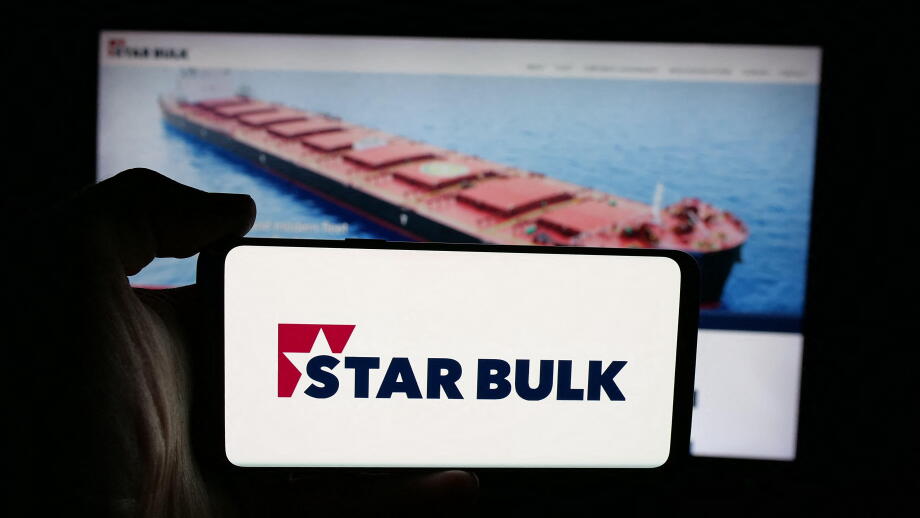
Shares trade 8% above offer price as shipping company completes second listing

TX Group and SMG absorb almost 60% of block as insurer cuts holding to 11.8%

Investors back German engine manufacturer’s raise to 'balance the books' after €1.6bn acquisition gets go-ahead




More articles
More articles
More articles
-
 The situation was no longer tenable. Afren’s management determined that it needed more money, and a debt restructuring, to stay afloat. In January, Afren said it had begun talking to creditors about its capital structure.
 -
July 31 is Afren’s day of disaster. In 2014, on that day, the London-listed oil explorer revealed a corruption scandal that reached the highest echelons of its management. Its chief executive and chief operating officer were suspended, the share price faltered, and trust in the business was shaken.
-
Frustrated with the terms of the restructuring, and distrustful of Afren and its bondholders, Afren Legal Action tried to revitalise hopes of finding a buyer for Afren. A bid for Afren had been widely considered a good solution to its problems, going back to 2014. Afren, once a poster child for Africa’s energy sector, was potentially still an attractive asset.
-
Asog was just one Afren shareholder force jockeying for position. As the share price fell, institutional investors, which had dominated Afren’s register, sold some of their shares to other kinds of investor.
-
On July 31, 2015, Afren went into administration. There was no public outcry, though several national papers in the UK ran the news. Afren had never been a household name.
-
With equity capital markets at their nadir of summer somnolence, mid-August is the moment at which the year’s rivalry between investment banks can truly be said to have completed its first half, with the second semester not yet begun.


Sub-sections






shared comment list