
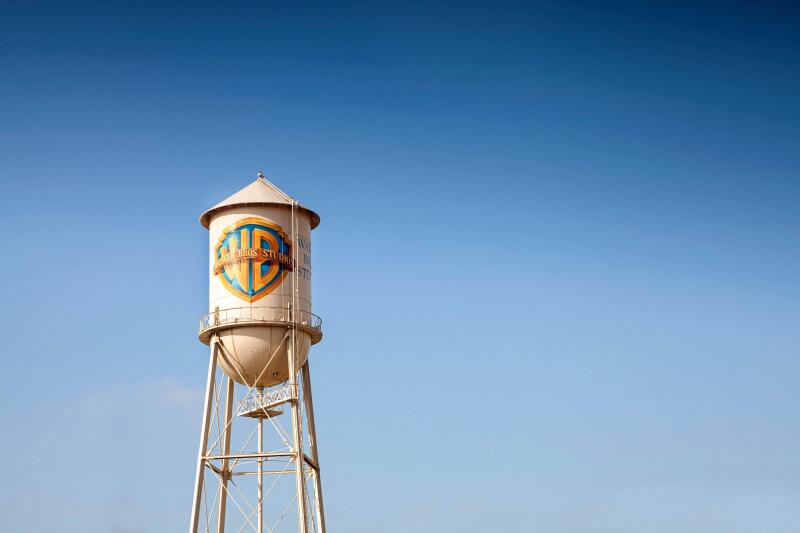
Warner Bros Discovery sits in the middle of yet another debt fuelled custody battle: in one corner is streaming giant Netflix, while in the other sits a recently restructured Paramount Skydance.
The pair are offering $82.7bn and $108.4bn for Warner Bros Discovery, respectively, with Netflix’s lower bid only covering Warner’s streaming and studios assets.
Warner has been here before — multiple times in fact, with several occasions ending in tears.
Over 25 years ago, at the height of the dot com bubble, America Online (AOL) acquired TimeWarner — Warner Bros Discovery’s predecessor — for a whopping $181bn. However, by the time the deal closed in January 2001, the value had dropped to $106bn.
The deal was disastrous. What was supposed to create a telecoms and media behemoth, led to the swift downfall of AOL. Just two years after the deal closed, AOL Time Warner posted a $99bn annual loss — one of the largest ever in corporate history.
AOL was spun off from Time Warner in 2009. In fact, two months ago Italian media firm Bending Spoons — named after a scene from Warner Bros’ classic The Matrix — agreed to buy AOL from Yahoo for just $1.5bn, less than 1% of what AOL paid to acquire Time Warner.
Warner was subject to another telecoms buyout in 2016, when US firm AT&T agreed to purchase the media company for just over $85.4bn. A protracted sale process followed, eventually closing in 2018. This ownership, like AOL’s, did not last, with Warner spun off just three years later.
The huge numbers thrown around by Netflix and Paramount this week look incredibly familiar. And frothy.
Bridge-a-ton
Netflix and Paramount have lined up chunky financing packages to finance their acquisition, much of which will be taken out in the capital markets.
The US streaming giant is tapping BNP Paribas, HSBC and Wells Fargo for a $59bn unsecured bridge loan to finance the cash component of its $83bn takeover bid.
Paramount, meanwhile, has lined up a $54bn senior secured bridge facility from Apollo, Bank of America and Citi, nicknamed Project Warrior, for its hostile bid alongside further financing from private equity and Paramount chief executive David Ellison’s father, Oracle boss Larry.
These loans will likely be refinanced with one bond after another — great news for the firms on the bridge loan mandate. But at the end of the day, debt is still debt and the numbers thrown are huge relative to Netflix or Paramount.
As of Tuesday afternoon, Netflix had a market cap of $440bn, with the stock having dropped 9.5% in the last five sessions. Paramount, meanwhile, has a significantly smaller market cap of only $15.1bn, with its stock falling 10.7% over the same period.
Paramount estimates its hostile takeover bid will leave it four times leveraged, before falling to almost two times over the next two to 2.5 years, allowing the firm to keep its investment grade ratings. Analysts at CreditSights believe otherwise, expecting the firm to be 5.5 times leveraged and to fall into high yield territory.
Larger and higher rated Netflix, meanwhile, will likely end up three times leveraged, with its gigantic subscriber base and free cash flow likely to allow it to deleverage to an appropriate level for an investment grade company, CreditSights said.
When AOL merged with Time Warner 25 years ago, it had a market cap of about $192bn. By the time the two separated in 2009, it was only worth $3.3bn. AT&T fared slightly better. When it merged with Time Warner it was worth roughly $230bn, but as of Tuesday, it was worth $60bn less.
Of course, unlike AOL or AT&T, the latest bidders for Warner are not telecoms firms. In theory, Netflix and Paramount should know what to do Warner’s extensive back catalogue and assets. As Disney showed with its takeover of 21st Century Fox six years ago, it is possible to spend a fortune and not crater your company.
Although these mega mergers look great on paper (especially for the lazy viewer who hates venturing to their local cinema), they can be incredibly risky.
The question, ultimately, is are the rights to Harry Potter, Superman and HBO’s prestige TV worth the same as KfW’s entire 2026 funding programme?