
As Europe's equity capital markets bankers return from the summer break, they are hoping for this year's strong momentum to continue. Some are even pointing optimistically to the pipeline of initial public offerings, hoping for an action-packed autumn.
The market has produced €116bn of ECM deals so far according to Dealogic, substantially more than in any year since the 2021 boom.
The Stoxx Europe 600 index has climbed 8.6% this year and hit record highs in August. This is not quite as steep as the S&P 500, but analysts still think Europe is benefiting from its lower exposure to technology, as some investors are nervous about a bubble in artificial intelligence investment by US tech companies, which has pushed them to reallocate away from the tech-heavy US markets.
IPOs are doing quite well in Europe, too, with €15bn of issuance, almost as much as in 2024, the only other busy year since 2021. However, only €10.5bn has been on European exchanges, as two of the biggest deals, German power systems firm Innio and Italian software group Bending Spoons, were on Nasdaq.
PwC said in a research report that there was a "strong" pipeline for IPOs in EMEA, while JP Morgan said the outlook for them was “improving into the second half of the year, with activity expected to accelerate post-summer.”
But under the surface, there are hints that these hopes for a buoyant European IPO market in the rest of the year could be misplaced.
Market participants in Europe have told GlobalCapital that listing timelines are slipping toward next year. Issuers are hesitant to risk an IPO amid market instability.
VCs hesitant
Research by PitchBook found a “plunge” in the number of venture capital-backed companies in Europe that were candidates for IPOs, dropping roughly 40% from 373 companies last year to 223 in 2026.
Of those 223, the report identified only 10 with a more than 90% probability of listing, down from 32 the previous year.
Admittedly, VC-backed candidates do not make up the whole pipeline. Most of the volume is likely to be from private equity-owned companies.
But a pipeline does not necessarily lead to activity. While a significant number of companies are still looking to list, they need to convince investors to back them.
PwC said companies were weighing up whether to list in the second half of this year or wait until early next year. Decisions would hinge on “further stabilisation of geopolitical tensions and a continued easing of inflationary pressures”.
“Behind the scenes it's very busy, but what’s happening in front of the scenes is very, very little,” one European ECM banker said.
In the UK, which market participants say boasts its most promising pipeline for several years, another banker told GlobalCapital that several IPOs had already been postponed till early next year.
Higher energy prices, inflation and interest rates are weighing on the market, while political shocks such as the US-Iran war have made execution windows shorter and less predictable. Bankers said investors were less willing to take risks on unlisted companies, particularly at the valuations some sellers are seeking.
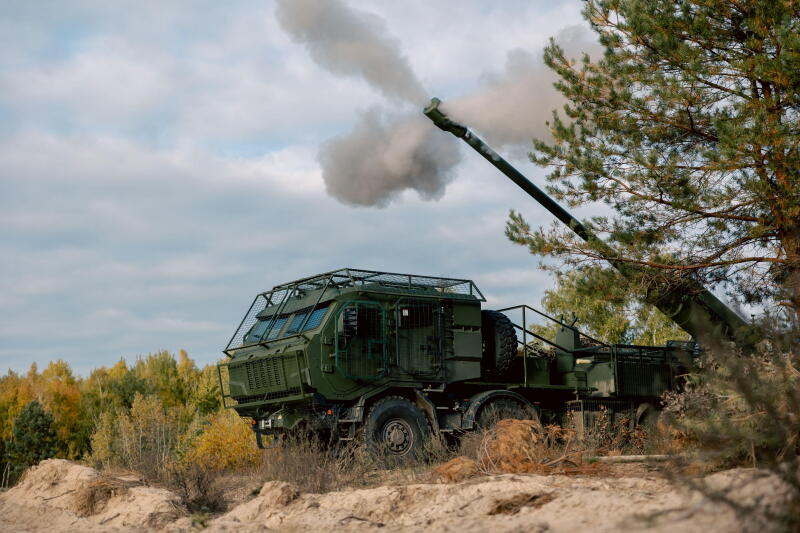
What bankers had hoped would be one of this year's trophy deals, Franco-German tank manufacturer KNDS’s headline-grabbing IPO, was postponed in July despite significant preparation, when the company struggled to convince investors to buy into a €12.5bn valuation.
That was the minimum shareholders were willing to sell for, having hoped for €20bn or more earlier in the year.
Defence is one of this year's strongest investment themes, so this highlights just how selective investors have become.
Meanwhile, companies bought with leverage by private equity funds several years ago when interest rates were lower are struggling to achieve the valuations necessary to justify exits in the public markets.
Blockbuster blocks
Instead, investors are quite happy feeding on already public companies.
There have been €62bn of block trades so far this year, fractionally ahead of the same part of 2021 and close to the €65bn in 2020. March was the second busiest month ever for accelerated bookbuilds, after March 2015, according to Dealogic, while JP Morgan made it the busiest ever.
Well into a strong year for equities generally, one banker said investors may be even more picky when picking ECM plays as they are anxious to protect their gains for the year.
The European IPO window is definitely open. Stocks are performing well, investors have cash and they are open to putting it to work in Europe.
With some companies preferring to wait until next year, those that do float could enjoy investors' full attention.
But it is not an easy market. KNDS's experience shows investors are kicking the tyres thoroughly. It may be in the defence sector, but fund managers want to be convinced growth prospects for its specific technologies are as strong as the promoters think.
Companies with an unusually compelling story may go ahead with IPOs. Others are quite likely to wait and hope for a more stable environment.
While the European equity and ECM markets are strong and there is plenty in the pipeline, 2026 is not likely to produce a famous vintage of IPOs.