Top section
Top section

Barclays is 21st in the CEEMEA bond league table so far in 2026

International investor participation in the region remains light
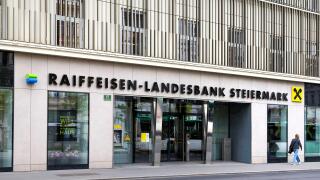
◆ Both issuers are linked to RBI Group ◆ Austrian bank prices with negative concession... ◆.... while RBI's Slovakian subsidiary pays premium for its largest deal in many years


Data
More articles
More articles
More articles
-
 Mexico’s head of public credit told GlobalCapital that he felt the government’s economic management was winning over investors after the sovereign notched a heavily oversubscribed dollar deal last week.
 -
Embotelladora Andina, the third largest Coca-Cola bottler in Latin America and seventh largest in the world, will begin a roadshow on Monday ahead of an expected 10 year bond.
-
Yes Bank's share price collapsed in Monday morning trading after the Indian lender’s board of directors approved a potential billion-dollar equity fundraising.
-
In this round-up, the Chinese Ministry of Finance (MoF) transferred 10% of its shares in three large commercial banks to the state-owned social security fund, the Shenzhen Stock Exchange is set to welcome a new chairman and the US treasury secretary has denied rumours of inaccurate translation of the phase one trade deal.
-
In this round-up, Chinese vice premier Liu He will visit Washington DC next Monday until Wednesday, the State Administration of Foreign Exchange sends its deputy administrator to Guangdong and the Financial Stability and Development Committee reaffirmed the importance of small and medium-sized enterprises.
-
In this round-up, China’s December consumer price index inflation flattened, Anhui-based Huishang Bank is considering taking over 15% of Baoshang Bank and Industrial and Commercial Bank of China is set to sell Rmb80bn ($11.5bn) of offshore perpetual bonds and onshore tier two bonds this year.




Sub-sections






-
Sponsored by CAF – Development Bank of Latin America and the Caribbean
CAF gearing up to transform regional development
-
Sponsored by Emirates NBD Capital
Emirates NBD Capital: An unrivalled conduit for Middle East liquidity
-
-
Sponsored by European Investment Bank
European Investment Bank: Supporting sustainable development in North Africa