Top section
Top section
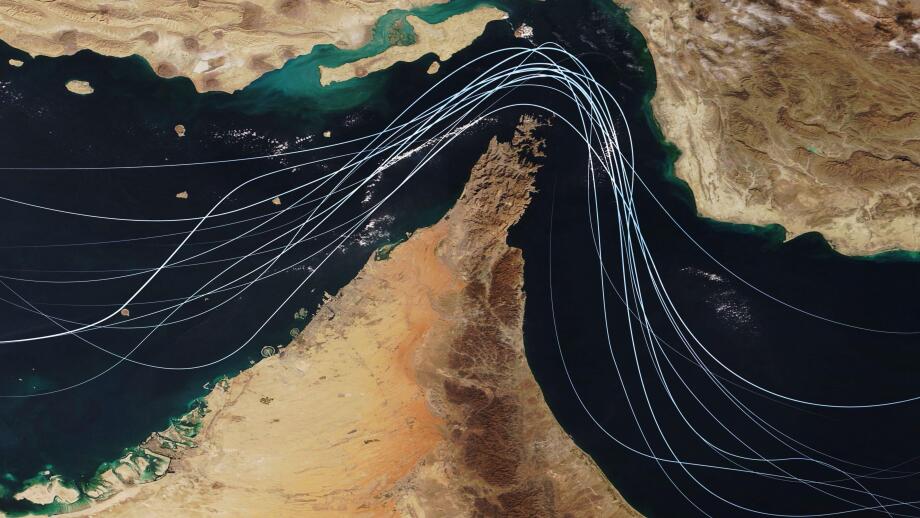
◆ Predictions for Gulf issuance change shape again ◆ Investment grade firms to pick tricky path through autumn ◆ The Alphabet effect: hyperscalers hit Kangaroo market

Barclays is 21st in the CEEMEA bond league table so far in 2026

International investor participation in the region remains light


Data
More articles
More articles
More articles
-
 China Logistics Property Holdings Co built up strong demand for its HK$778.8m ($100.4m) placement on Tuesday evening, but its stock came under selling pressure the following day.
 -
UP Fintech Holding's follow-on offering in the US drew a 10 times oversubscribed book, as its fintech credentials and online operations proved appealing to investors.
-
Pharmaron Beijing Co brought the first renminbi-linked but dollar settled convertible bond to the market in nearly five years this week, raising $600m from the dual tranche deal. Bankers called it a ‘smashing success’ and said the issue pipeline from the pharmaceutical sector is strengthening. Rashmi Kumar reports.
-
Bankers working on Brazilian meatpacker JBS’s $1bn sustainability-linked bond on Tuesday said that ESG funds had been responsible for some of the largest orders in the controversial company’s deal, as corporate borrowers in some of the least green sectors join the ESG debt carnival.
-
Santander Chile sold its first public international bond in over a year on Tuesday, turning to the Swiss franc market and pricing well inside its domestic curve as the local market loses its lustre.
-
Bloated syndicate teams running bonds in Asia are becoming the norm yet again. But banks and issuers need to show more restraint.


Sub-sections





-
Sponsored by CAF – Development Bank of Latin America and the Caribbean
CAF gearing up to transform regional development
-
Sponsored by Emirates NBD Capital
Emirates NBD Capital: An unrivalled conduit for Middle East liquidity
-
-
Sponsored by European Investment Bank
European Investment Bank: Supporting sustainable development in North Africa