Top section
Top section
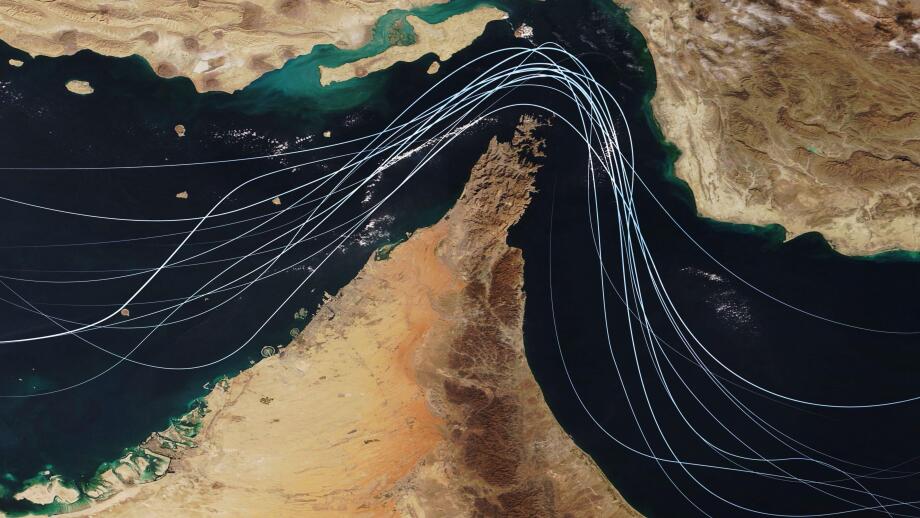
◆ Predictions for Gulf issuance change shape again ◆ Investment grade firms to pick tricky path through autumn ◆ The Alphabet effect: hyperscalers hit Kangaroo market

Barclays is 21st in the CEEMEA bond league table so far in 2026

International investor participation in the region remains light


Data
More articles
More articles
More articles
-
 Following a deep and protracted recession after the great financial crisis, the Croatian economy has markedly improved over the last couple of years against the background of EU accession. Exports grew strongly as the remaining barriers to trade were dismantled and boosted competitiveness, with strong increases both in exports of goods, as well as exports of services, on the back of steadily increasing numbers of foreign tourists and their rising consumption.
 -
The Covid-19 health crisis has emerged into a swift and globally synchronised economic crisis. Given the high openness of the Macedonian economy, it has suffered as well, both through the global lockdown and the domestic containment measures.
-
Ukraine entered the global economic crisis caused by the coronavirus pandemic in a much better shape than during the crises of 2008 and 2014. The ‘Great Lockdown’ is the first crisis in the history of Ukraine in which we haven’t observed the bankruptcy of banks, a spike in inflation, a catastrophic decline in international reserves, or long lines near ATMs. All of this is the result of consistent economic policy during previous years.
-
In mid-May GlobalCapital hosted a specially convened panel of investment bankers, investors and a market infrastructure provider to discuss how capital markets have reacted to the coronavirus crisis and how they might play a role in the recovery of the global economy. The discussion, which took place remotely over Zoom, was the opening panel discussion of the Global Borrowers & Investors Forum, which this year is being brought to you in virtual form via a special digital publication on our website.
-
Generals, and financial regulators, are always fighting the last war. So it proved when the coronavirus slammed into international markets in mid-March. Many of the tools developed in the 2008 financial crisis were deployed to great effect by central banks. The corners of the financial markets that propagated weakness in 2008 passed the test of 2020. But new risks were thrown up, forcing a new round of improvisation. What lessons will be drawn from the Covid-19 crisis?
-
Sovereigns are making the most of a bounce in demand for CEEMEA bonds after the coronavirus pandemic and oil shock sent markets into a tailspin earlier this year. They have extra spending to fund, but with QE on the rise investors have cash to place. But other pandemic policies have left parts of CEEMEA capital markets moribund.


Sub-sections






-
Sponsored by CAF – Development Bank of Latin America and the Caribbean
CAF gearing up to transform regional development
-
Sponsored by Emirates NBD Capital
Emirates NBD Capital: An unrivalled conduit for Middle East liquidity
-
-
Sponsored by European Investment Bank
European Investment Bank: Supporting sustainable development in North Africa