
Top section
Top section

Amid tight budgetary conditions, including persistent inflation, volatile markets and geopolitical tensions, sovereign issuers in the EU face continuous pressure to fulfil borrowing requirements. Simultaneously, these same issuers are having to confront different challenges that range from the growing impact of hedge funds in their order books, and whether this is a good or a bad thing, how to convince new investors that their home currency, the euro, is an alternative to the dollar and how aligned EU capital markets should become and what form this should take. GlobalCapital assembled sovereign debt issuers to discuss borrowing requirements and how they are being met, what the diversification of their investor bases means for the products they offer and the benefits of harmonisation and simpler regulation in the EU.

Supplying a ‘diversity of instruments’ is important for sovereign to meet needs of different investors, says DMO chief
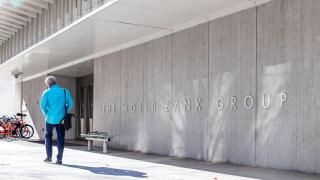
◆ EDC prints tightest US dollar deal from a Canadian this year ◆ Tight spread to US Treasuries 'looks good for Canada risk' ◆ World Bank mandates seven year dollar floater


Data
More articles/Bonc comments/Ad
More articles/Bonc comments/Ad
More articles
-
 The sovereign brushed off recent turbulence to summon over £47bn of orders for its £6bn syndication
 -
Four straight days of Gilt sales this week could take supply to the market to over £10bn
-
SSA issuers put recent central bank meetings behind them to tackle funding towards the year-end
-
SSA issuers have shunned the currency since late September turmoil
-
Suprnational set to settle deal using tokenised commercial bank cash on HSBC managed platform
-
Economic distress heightens urgency of South’s calls for help on climate finance


Sub-sections





-
Sponsored by Islamic Development Bank (IsDB)
Sukuk market’s next chapter: Financing the future, sustainably
-
Sponsored by CAF – Development Bank of Latin America and the Caribbean
CAF gearing up to transform regional development
-
Sponsored by European Investment Bank
European Investment Bank: Supporting sustainable development in North Africa
-



Comment