Most recent/Bond comments/Ad
Most recent/Bond comments/Ad
Most recent

Only one Gulf issuer has printed a blue bond in the public market

Some say UAE central bank liquidity has prompted banks to retrench

Cracks emerge in underlying quality as banks appear to teeter further into cautiousness

The trade may persuade other top-tier GCC sovereigns that the public market is open
More articles/Ad
More articles/Ad
More articles
-
 Oil prices are central to the economies of the Middle East so the commodity price collapse of the last year has had a big impact. But how bad is the outlook for growth and government finances? Chris Wright assesses the situation.
 -
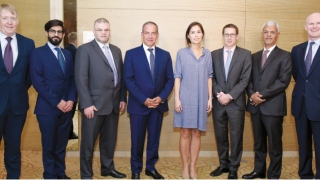
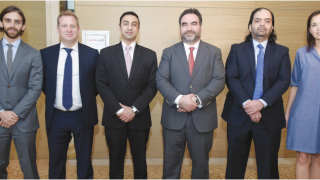
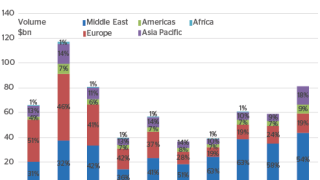
The drop in oil prices in 2015 prompted Middle Eastern goverments and companies to rethink operations — pulling back on some projects, gobbling up reserves and adjusting subsidies. GCC international bond issuance took a hit as a result — last year $20.8bn was printed, down from $26.3bn in 2014. Looking forward to 2016, some issuers have announced more bond market issuance to fill funding gaps, others less as they brace for slower growth. At GlobalCapital’s roundtable, held in Dubai on January 26, representatives from companies, banks and goverments gathered to discuss how best to navigate demand and tap new pools of funding, as well as the changing attractiveness of the bond and loan markets.
-
Falling oil prices, escalating geopolitical tensions and now a slew of ratings downgrades — the Middle East’s sovereign borrowers have a lot to contend with. But strong local demand and appropriate spreads should ensure ample funding is raised this year, writes Virginia Furness.
-
The fiscal strain of low oil prices in the Middle East has prompted international investors to flee the region. Spreads have blown out but issuers need funding. That means the sukuk market could be about to come to the rescue, writes Virginia Furness.
-
Once abundant, Middle Eastern capital market demand is drying up as the oil price has sunk ever lower. Meanwhile, fears of the knock-on effects of China’s economic woes have been making international investors fret. On the face of it, the Middle East is likely to face huge challenges this year. At GlobalCapital’s roundtable on January 26, bankers and investors in the region assembled to discuss how they see the opportunities and risks inherent in investing in the Middle East. Can the region ride out the storm?
-
Deposit rich Middle East banks will not turn away from the capital markets this year, but, as lower liquidity sets in and international banks compete for position, they will have to grow used to paying more for funding, writes Tyler Davies.