Central and Eastern Europe (CEE)
-
 Brunswick Rail has drawn on a tranche of a Rb1.6bn (€20.5bn) two year loan from Alfa Leasing which pays interest of 16%, as tough operating conditions and a weakened currency weigh on its business.
 -
Budapest Bank, the bank that the Hungarian state bought from GE Capital last year, would be ready for an initial public offering if its owner chose to float it, the bank’s CEO said on Monday.
-
After almost five years, Hong Kong has recognised Russia as an accepted jurisdiction for issuers looking to list in the city. But whether the ties would be a game-changer for Asian equity capital markets is a big question, writes Philippe Espinasse.
-
Igor Knyazev will be taking over the role of group treasury chief at Alfa Bank in Russia when Michael Lawrence retires in June.
-
Emerging market bankers are saying that greater scrutiny may now need to be paid to the ratings calendar when printing bonds after Standard & Poor’s downgrade of Poland on Friday prompted one of the worst sell-offs of an EM new issue in recent memory.
-
Poland’s sovereign bond spreads are in turmoil, after a shock downgrade by Standard & Poor’s (S&P) late last week. The move follows a sharp drop in its political risk score in the latest Euromoney Country Risk (ECR) survey.
-
Hungary may add more banks to the mandate for its potential dim sum bonds, said Andras Rez, deputy chief executive officer at the government debt management agency (AKK) in Hungary.
-
The treasury chief of one of Russia’s largest private banks is set to retire this summer.
-
Ukrainian Railways (Ukrzaliznytsia) is a step closer to restructuring its $500m of bonds due 2018 and will seek agreement from investors at a meeting on February 17.
-
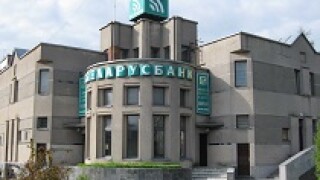
Belarusbank has signed what it describes as the largest loan in Belarusian banking history for €245m, although the country’s wilted syndicated market means that Belarusbank was also the issuer that set that record.
-
The Hong Kong Stock Exchange has given Russian companies the nod to list depositary receipts on its main board.
-
Central and eastern European borrowers gathered in Vienna this week for Euromoney’s Central & Eastern Europe Conference and are not short of plans for the capital markets this year.