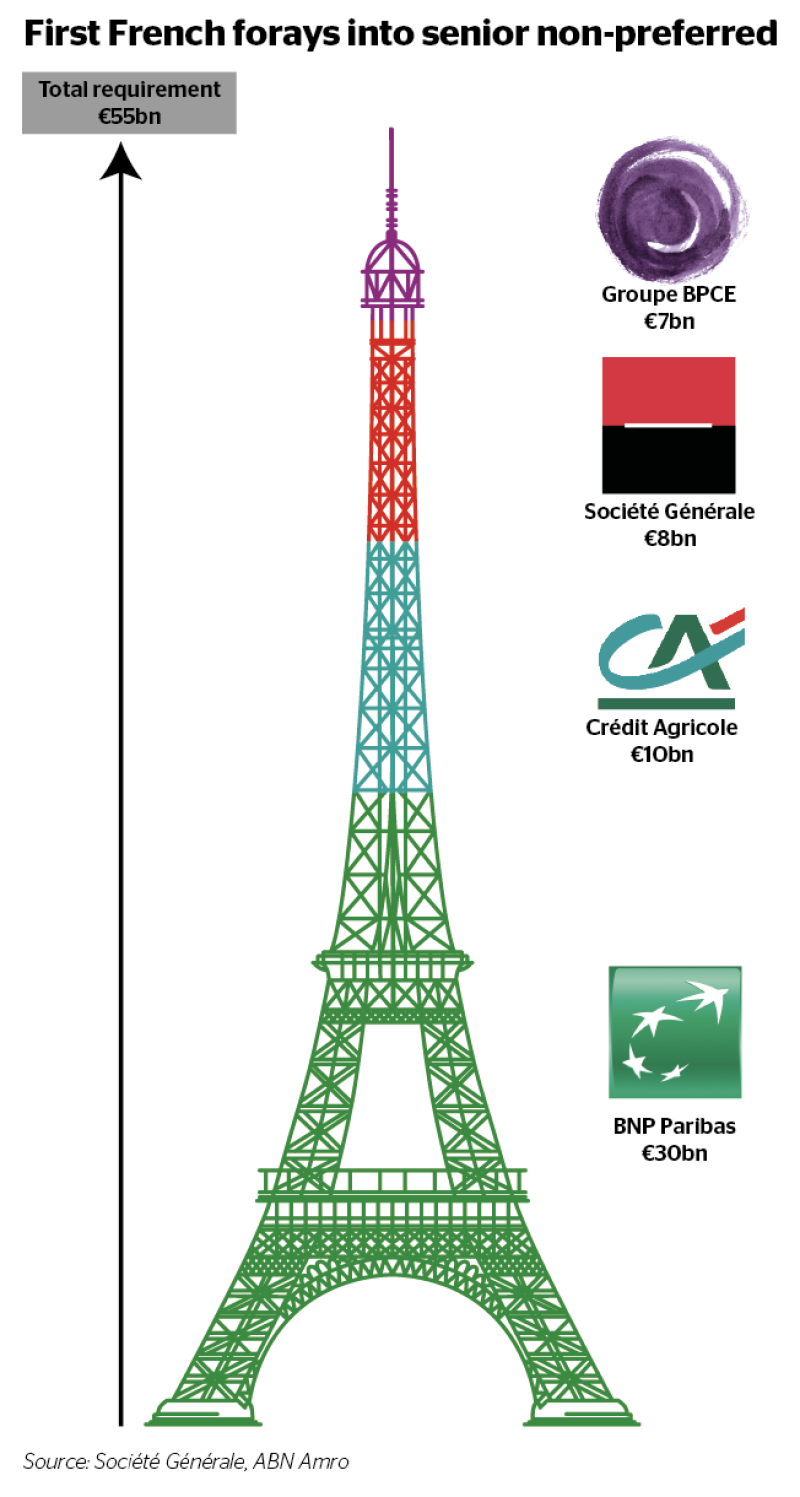
The creation of senior non-preferred debt in France means the country’s financial institutions can really start to build their loss-absorbing debt levels towards their requirements for total loss-absorbing capacity (TLAC) rules and Europe’s minimum requirement for own funds and eligible liabilities. But how much does each bank need to issue over the coming years?
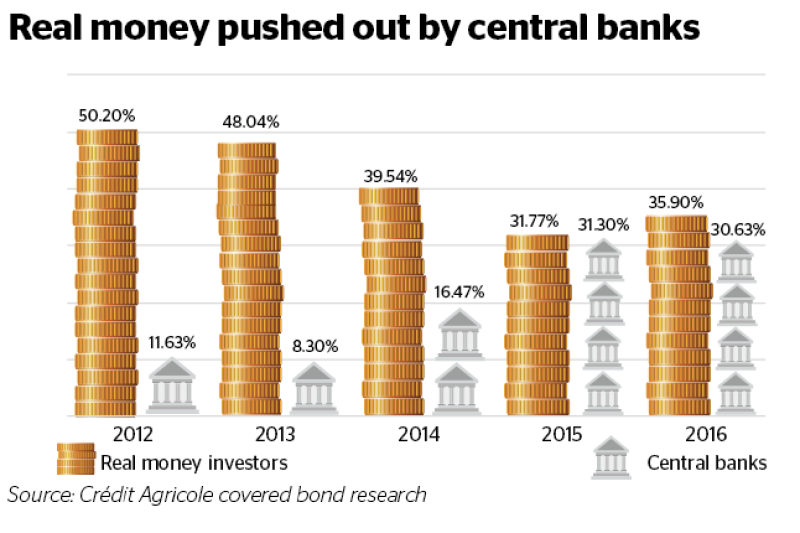
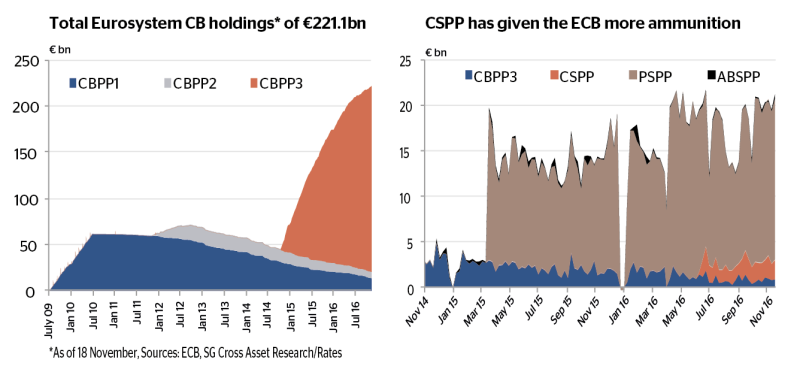
Since October 2014 the European Central Bank has been steadily buying more securities eligible for its covered bond purchase programme, helping issuers command much tighter pricing for new transactions. The resulting change in distribution by covered bond investor type has been stark. Real money investors — including asset managers and investors — have been squeezed out in the new pricing environment, while central banks have ramped up their purchases.
Rising energy costs, inflation and interest rates may all sound a bit 2023 in the face of the latest fears about AI Armagaddon but this is what will drive the bond market for now
French covered bond trading levels have become increasingly divorced from OATs since the start of 2024, offering a golden opportunity to issuers ahead of a likely volatile period