Top section
Top section

◆ The threat of US corporate issuance to European borrowers ◆ The new funding environment for Middle East banks ◆ Reviving UK equity capital markets

Swiss investors retain appetite for credit as yields become more attractive

As war drags on, banks are boosting hoards of cash after deposit outflows


Data
More articles
More articles
More articles
-
 Oman Oil’s subsidiary, Oman Oil Company Exploration and Production (OOCEP), is to resurrect a structure for its latest loan that could help other borrowers from the sultanate to access capital markets as the country loads up on debt.
 -
Chinese banks have long played a leading role in Asia’s syndicated loan market through their Hong Kong branches. But a greater use of onshore branches, as well as those based in the West, is presenting new opportunities for borrowers in the region. Shruti Chaturvedi reports.
-
Investors have rejected the Hong Kong Stock Exchange’s latest attempt to allow dual-class shares, after a market consultation ended last week. Whether this will thwart HKEX's bid to woo more technology issuers is yet to be seen, but the decision will have huge repercussions for the market. John Loh writes.
-
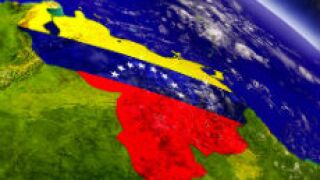
Some EM bond investors said that they were interpreting the drop in Venezuelan bond prices on Wednesday as a buying opportunity, saying that it was unlikely that the US would block all trading in the securities.
-
China Jinmao Holdings Group returned to the market on Thursday with a tap to a bond it sold in June, hoping to reach its regulatory cap of $500m.
-
The 144A bond market used to offer the cream of Asian issuers access to a liquid, savvy investor base. But although the market remains relevant for Asian banks and corporations, many are increasingly deciding that regional demand is more than good enough. Addison Gong reports.




Sub-sections




-
Sponsored by CAF – Development Bank of Latin America and the Caribbean
CAF gearing up to transform regional development
-
Sponsored by Emirates NBD Capital
Emirates NBD Capital: An unrivalled conduit for Middle East liquidity
-
-
Sponsored by European Investment Bank
European Investment Bank: Supporting sustainable development in North Africa