Top section
Top section
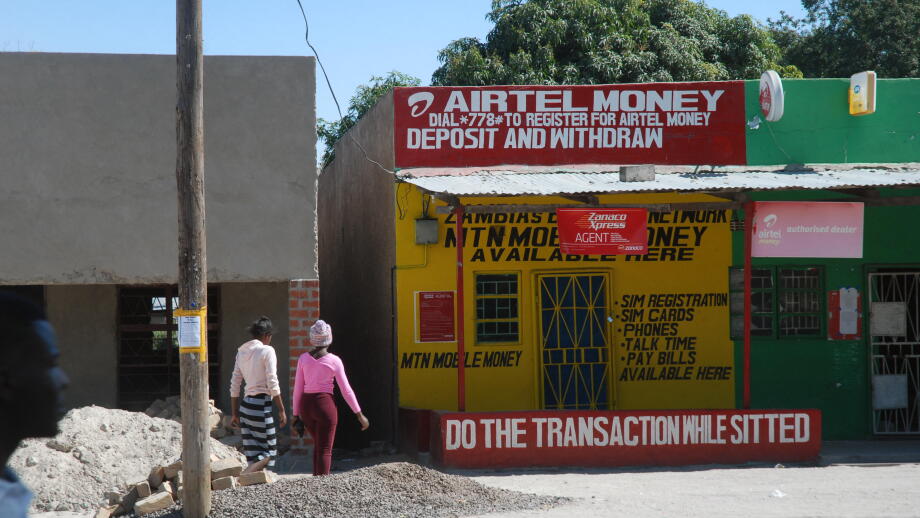
African mobile payment provider prepares to list, seeking large valuation
Deep breath for market as more guidance, more mandates appear
Secondary market selling of private bonds may be wreaking havoc with the primary market for public debt but the trades were still the right thing to do


Data
More articles
More articles
More articles
-
 In this round-up, China’s central bank cut the required reserve ratio by 50bp on Monday, domestic financial institutions have been told to price loans based on the new benchmark and regulators have published draft rules on dealing with corporate bond defaults.
 -
I-Mab, a China-based biopharmaceutical company, has kicked off the roadshow for its up to $111.1m Nasdaq IPO, more than two months after filing draft documents with the US regulator.
-
Global law firm Dechert has hired Maria Tan Pedersen as a partner in its Singapore office, in a bid to expand and strengthen its corporate and securities practice in the region, it said on Monday.
-
With emerging markets bond bankers all ready to start deploying their pipelines next week, the US threw a potential spanner in the works on Friday when it killed Iranian general Qassem Soleimani.
-
Struggling Spanish construction group Aldesa saw a Christmas bounce in its Caa1-rated bonds, following a December 25 takeover deal and capital injection from China Railway Construction Corporation.
-
Equity capital markets bankers' bullish mood was dented on Friday by falling markets as investors reacted to escalating tension in the Middle East after the US assassination of Iranian general Qasem Soleimani. Banks are hoping this change in sentiment does not damage deal making next week.


Sub-sections






-
Sponsored by CAF – Development Bank of Latin America and the Caribbean
CAF gearing up to transform regional development
-
Sponsored by Emirates NBD Capital
Emirates NBD Capital: An unrivalled conduit for Middle East liquidity
-
-
Sponsored by European Investment Bank
European Investment Bank: Supporting sustainable development in North Africa