
Most recent/Bond comments/Ad
Most recent/Bond comments/Ad
Most recent


Even as USTs stay near 5%, supply expected to pick up
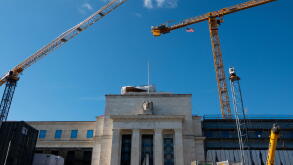
Elevated new issue premiums to battle issuer desire to avoid more volatility

◆ The threat of US corporate issuance to European borrowers ◆ The new funding environment for Middle East banks ◆ Reviving UK equity capital markets

As war drags on, banks are boosting hoards of cash after deposit outflows
More articles/Ad
More articles/Ad
More articles
-
-
 Bankers look for deals to restart market once interest rates have peaked
 -
Loan pricing in other parts of EM are creeping higher, but they are falling in the GCC area
-
Bond trades softly after sharp rise in Treasury yields during execution
-
Emerging market corporate investors remain 'nervous', but primary market is opening up
-
The lender needs to offer a premium to other UAE bank issuers


