
Most recent/Bond comments/Ad
Most recent/Bond comments/Ad
Most recent

Even as USTs stay near 5%, supply expected to pick up
Elevated new issue premiums to battle issuer desire to avoid more volatility

◆ The threat of US corporate issuance to European borrowers ◆ The new funding environment for Middle East banks ◆ Reviving UK equity capital markets

As war drags on, banks are boosting hoards of cash after deposit outflows
More articles/Ad
More articles/Ad
More articles
-
 DP World has become the third Middle Eastern borrower to launch a sustainable finance framework — a preparatory move ahead of a debut green bond. More issuers from the Middle East are expected to follow suit.
 -
Abu Dhabi printed a huge $10bn bond on Monday with no roadshow and a 30 year tranche that was 20bp tighter in spread than its last bond of the same maturity printed in 2017. But though the deal seems to have been triumphant for Abu Dhabi, the notes were around 2bp wider on Wednesday and investors are fretting that large EM supply is causing some indigestion in the market.
-
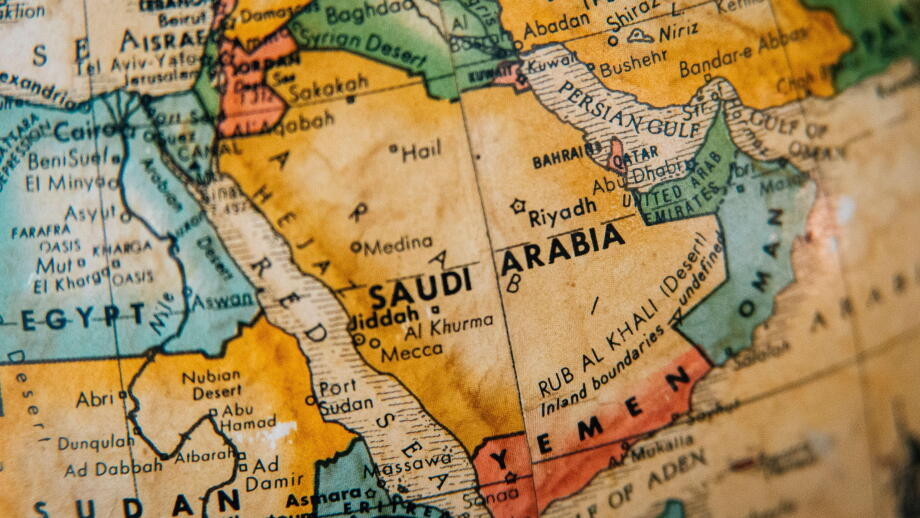
Bankers brought a flood of Middle East bond supply to market on Tuesday, with four separate issuers — the Kingdom of Bahrain, DP World, National Bank of Fujairah and Islamic Development Bank — all announcing guidance for deals. The notes follow an already heavy week of supply from the Gulf, with Abu Dhabi having printed a $10bn triple trancher on the same day.
-
The National Bank of Oman (NBO) has closed a $300m syndicated loan, arranged by regional lenders. The loan was oversubscribed, revealing a reasonable amount of international demand for Omani debt despite a year of ratings downgrades and project postponements.
-
The Emirate of Abu Dhabi ended a two year absence from capital markets on Monday with a triple trancher, mirroring the tenors it used in its last trip to the market in 2017.
-
DP World, the company responsible for operating Dubai’s ports, is buying back two of its outstanding bonds, becoming the fifth EM borrower to do so in September.


