Most recent/Bond comments/Ad
Most recent/Bond comments/Ad
Most recent

Even as USTs stay near 5%, supply expected to pick up
Elevated new issue premiums to battle issuer desire to avoid more volatility

◆ The threat of US corporate issuance to European borrowers ◆ The new funding environment for Middle East banks ◆ Reviving UK equity capital markets

As war drags on, banks are boosting hoards of cash after deposit outflows
More articles/Ad
More articles/Ad
More articles
-
 Etihad Airways issued the first transition sukuk this week, a $600m deal, further burnishing its green credentials after issuing a loan linked to the UN’s Sustainable Development Goals less than a year ago.
 -
Galaxy Pipeline Assets Bidco, a group of international investors that provided Abu Dhabi National Oil Company (Adnoc) with $8bn in a pipeline partnership deal earlier this year, has raised a $4bn triple tranche bond to refinance half of the loan that funded the team-up. The deal is, according to banks, the largest project bond ever raised.
-
The Emirate of Sharjah, which last entered markets this June with a Formosa bond, approached investors this week to raise $250m from a tap.
-
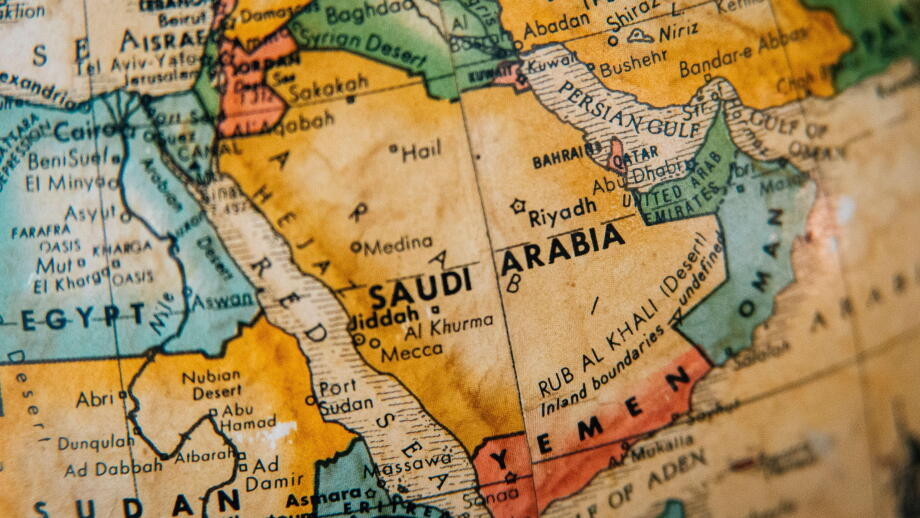
A sudden rush of deals from Middle East issuers hit the screens this week, giving the region its busiest week since early September.
-
Goldman Sachs is marketing a new high yield bond for Delek Energy, backed by the royalty payments to come from the Leviathan gas field off the coast of Israel. The financing is effectively super senior to a $2.25bn bond issued in the summer, and ekes out extra debt capacity, borrowing financial technology common in the US shale industry and applying it to a new, Israeli context.