Most recent/Bond comments/Ad
Most recent/Bond comments/Ad
Most recent
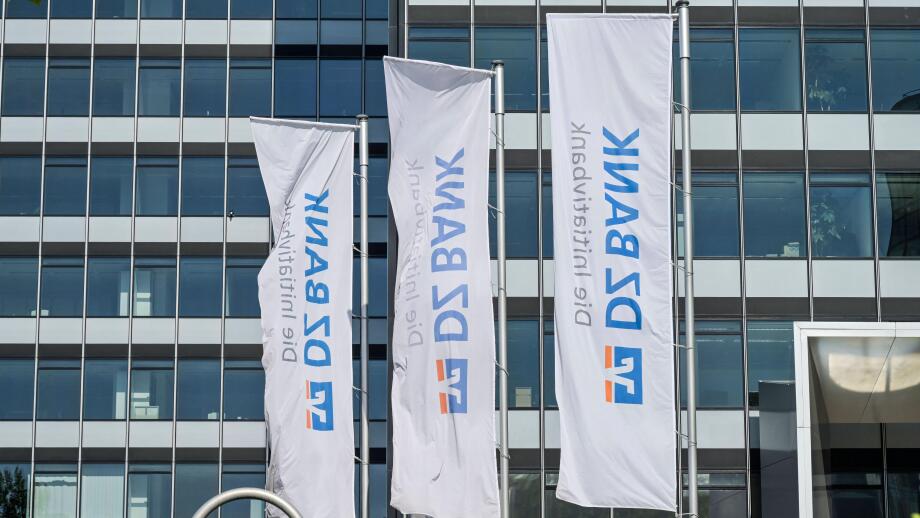

BSTDB has had a tricky time since Russia attacked Ukraine, both of which are shareholders

Demand peaked at six times the deal size, but many orders dropped out

The Ukrainian company's January deal performed well on secondary
◆ Deal was priced tighter than the issuer's previous covereds ◆ Banker said spread tightening 'speaks for itself' ◆ Second banker put spread through FV
More articles/Ad
More articles/Ad
More articles
-
 Chinese lending to and investment in central and eastern Europe is on the up. China has extended its reach to rival the influence of its western counterparts with its best weapon: money. But many bankers speaking to GlobalCapital this week think the trend is problematic.
 -
Ukrainian energy company DTEK is struggling to halt a slide in its bond trading since the National Anti-Corruption Bureau of Ukraine (NABU) issued notices of suspicion to six individuals — two of whom are DTEK employees — involved in a coal pricing controversy. The bonds have lost around five points in the space of a week.
-
A number of highly anticipated emerging market IPO issuers are understood to have shifted listing plans to next year instead of the last quarter of 2019.
-
ING's Turkish arm, ING Bank AS, has raised a $309m-equivalent trade finance loan from international lenders. The deal is a precursor to the year's second round of Turkish bank refinances, expected to begin in the next month.
-
The rout of the incumbent president Mauricio Macri in the first round of the Argentina elections has investors worried. Argentina’s debt, and that of other 'vulnerable' credits, suffered a huge sell-off early on Monday. But bankers believe that it was not so bad that the primary market will not reopen in September.
-
International banks should stand their ground and continue lending to Russian borrowers. The weak, ineffective sanctions that the US rolled out last week have not affected Russia’s creditworthiness and some even argue that investors in the country face fewer risks than they did two weeks ago.