Market players piled into short-dated sterling puts last week as the currency sank against the U.S. dollar following the explosions that rocked London and financial markets Thursday. Sterling depreciated to USD1.7403 from pre-blast trading levels around USD1.75. In the previous week, sterling stood at USD1.82 against the dollar. One-week implied volatility surged to 9% from 6.6% the Tuesday before, and one-month implied vol increased to 8.4% from 7.25%. "That's one of the sharpest moves of the year," said Andrew Chaveriat, an fx analyst with BNP Paribas in New York.
Chaveriat said the typical strike Thursday was USD1.71 for sterling puts, but last week investors were buying strikes closer to spot, and as sterling edged lower against the greenback for eight consecutive days, strikes have edged down with it. "We're talking about a moving target," he said. One trader agreed, noting the currency pair has moved so fast, strikes are simply trying to keep pace.
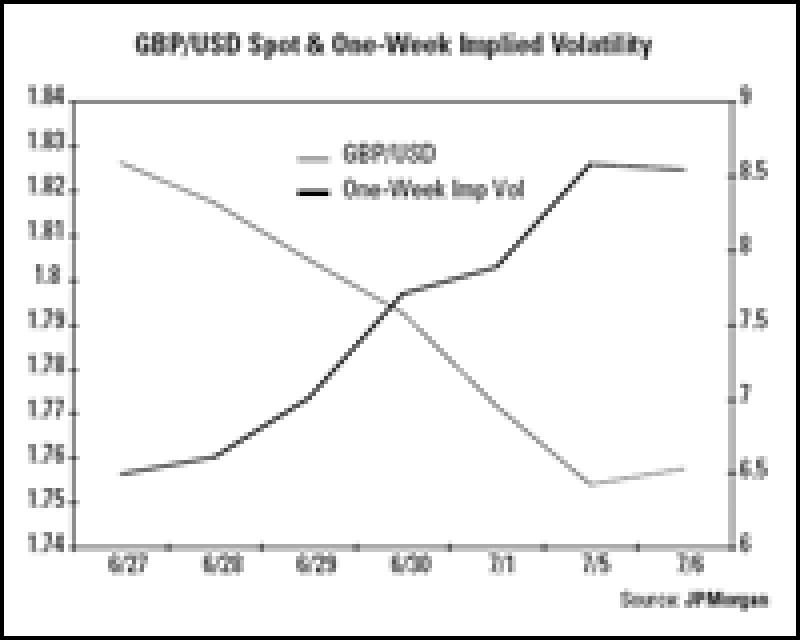
Chaveriat attributed sterling's decline against the greenback earlier last week to continued speculation the Bank of England would cut interest rates, while the U.S. Federal Reserve Bank looks set to keep on raising them. The Bank of England held rates steady on Thursday morning. "This decline is going further, faster and deeper than we expected," Chaveriat added, noting many traders were beat up because the market moved so quickly, making it difficult for them to hedge their positions. It's tough on the Street, but it's good for speculators who can benefit greatly from sharp currency moves, he noted.