
Top Section/Ad
Top Section/Ad
Most recent


Lender enters “very exciting phase” as capital grows and it enjoys two triple-A ratings

Paying off external arrears will help get an IMF deal over the line
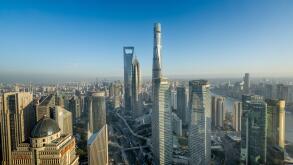
China bank treasury demand for suprantional paper rises amid higher volatility and yields

The euro's share of EM bond funding is at its highest in a decade
More articles/Ad
More articles/Ad
More articles
-
 Severn Trent, the UK water company, is raising £250m of equity capital to fund green projects. Banks working on the deal quickly attracted enough demand to cover the transaction.
 -
A landmark in global energy policy was reached on Tuesday when the International Energy Agency published its Net Zero by 2050 model, its first detailed attempt to set out how the energy industry could transition to net zero greenhouse gas emissions.
-
A block trade in Befesa, the German metal recycling firm, proved that overnight deals can be done in the EMEA blocks market, despite heightened volatility.
-
The €173m IPO of hGears, the German maker of high-precision gears for e-mobility, is more than three times covered, ahead of final pricing later today.
-
Ygrene completed its first property assessed clean energy (PACE) securitization of the year, a transaction backed by a mix of residential and commercial loans. As one of the most consistent and largest renewables issuers, Ygrene has pushed total sector issuance volume beyond that of both 2019 and 2020.
-
In this round-up, China records the lowest population growth in decades, the pace of credit expansion moderates, and a surge in the country’s factory gate prices adds to global inflation concerns.


