Top Section/Ad
Top Section/Ad
Most recent


◆ What now for European Secured Notes ater long-awaited debut? ◆ The mood in European securitization amid MFS fallout and reg reform ◆ Digitalisation of bond market is up to the regulators

Markets are looking to the authorities to simplify blockchain issues, but they may not have the purest motives

The new European Secured Note market is keen to secure regulatory recognition for the new product but there are advantages to not having it

Artificial intelligence’s capabilities could speed up some of the work involved in securitization, but its implementation poses risks. Building governance frameworks is key to deploying the technology safely, writes George Smith
More articles/Ad
More articles/Ad
More articles
-
 In a document recently circulated at EU level, Paris labelled the MiFID II equivalence regime “inappropriate”, and called for a tighter procedure — a clear move to limit UK funds’ access to EU markets after Brexit.
 -
The confusion over UniCredit’s Cashes notes is not a one-off. Uncertainty over regulatory capital eligibility affects the biggest banks in Europe, and it is unlikely to go away soon.
-
The Hong Kong Monetary Authority (HKMA) has introduced a pilot bond grant scheme, outlining a new initiative to drive debt issuance in the city.
-
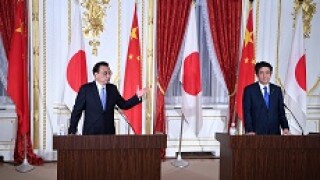
Japan receives a renminbi qualified foreign institutional investor (RQFII) investment quota, People’s Bank of China chief backs greater liberalisation of domestic financial sector and RMB exchange rate, and the central bank outlines key objectives for RMB internationalisation in 2018.
-
Discussions around the co-existence of two renminbi markets, one onshore and one offshore, are once again picking up pace, market participants told GlobalRMB. It will be up to China’s central bank to clean up the mess once and for all.
-
Hedge fund Caius Capital caused a stir this week with its assertion that a swathe of UniCredit’s capital is receiving the wrong regulatory treatment. The bank resoundingly denied it was in trouble, but the dispute has shone a light on the unclear complexity of the treatment of legacy instruments.