Euro
-
 As stress builds, spreads predicted to swing wider
 -
Danish lender builds on recent success of regional peers SEB and DNB
-
◆ Funding conditions become even more favourable following the FOMC's decision to stay pat ◆ Deal clears with slim concession of up to 5bp ◆ Good deal results and sentiment could lure Friday issuance
-
Australian firm sparks hope that there is still life in Europe’s corporate bond market
-
◆ ECB terminal rate belief anchors yields and stabilises mood ◆ Bond performance gives confidence ◆ But concerns linger over smaller borrowers' market access
-
Sector shunned by capital markets finally posts encouraging figures
-
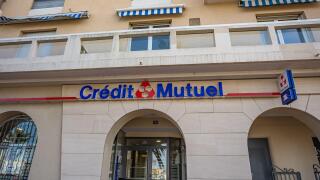
◆ Issuer attracts €3.6bn book with just 5bp NIP ◆ Despite challenging backdrop and frequency of issuance, BFCM achieves 'solid' outcome ◆ Eight year tenor meets bid for duration
-
-
ING analysts forecast historically low net issuance of €50bn in 2024
-
Lender prepares four year covered bond deal as funding conditions appear to ease for Italy and its banks
-
Market dumps bonds due to talks with German state over billions in guarantees
-
No Pepp talk from Lagarde relieves market participants but issuance could face ‘headwind into next year’