Top section
Top section

◆ Gulf private placements bite back ◆ Bond new issue premiums rise ◆ CLOs catch a break

Business has sagged in the third quarter, but the pipeline is busy, despite an intractable war
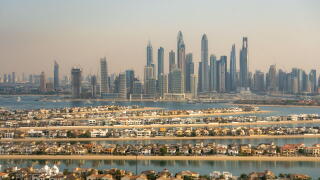
Private bonds are now being offered in the open market wider than where public deals trade




Data
More articles
More articles
More articles
-
 Colombian lender Bancolombia made a late year dash to international markets on Tuesday as it sold Basel III-compliant subordinated notes to fund the buy-back of old style tier two bonds.
 -
Equity markets, particularly European ones, are largely focusing on the UK election as the last opportunity for pre-Christmas volatility. But investors should remember that other shocks remain possible, including the scheduled imposition of US trade tariffs on China on Sunday.
-
Crédit Agricole bagged a total loss-absorbing capacity eligible senior preferred Panda bond in China last week — the first of its kind onshore. But the confusion it created shines a light on a market that is still in dire need of education around these new structures. With Chinese banks set to come under pressure soon to issue their own TLAC-eligible bonds onshore, rapid change is needed before time runs out.
-
Dongying Fangyuan Nonferrous Metals and Dongying Lufang Metals Material have returned to the offshore market for a new $300m loan.
-
Chinese lender Bank of Guizhou filed an updated IPO prospectus with the Hong Kong bourse on Monday, having first tested appetite for its listing in September.
-
Indian non-banking financial companies will be forced to wean off from their reliance on the rupee bond market and tap international investors next year amid a liquidity crunch onshore. But with buyers becoming increasingly selective on the kinds of NBFCs they will buy, borrowers should be prepared to pay up.



Sub-sections




-
Sponsored by CAF – Development Bank of Latin America and the Caribbean
CAF gearing up to transform regional development
-
Sponsored by Emirates NBD Capital
Emirates NBD Capital: An unrivalled conduit for Middle East liquidity
-
-
Sponsored by European Investment Bank
European Investment Bank: Supporting sustainable development in North Africa