Top Section/Ad
Top Section/Ad
Most recent


◆ Public sector issuers embrace hedge fund bid... ◆ ... as they flex in the swap market ◆ Car makers welcomed back to bond market

CEB plans to print more structured notes and may launch inaugural Sofr bond in 2026


Japanese firm plucks banker from UBS
More articles/Ad
More articles/Ad
More articles
-
 ING Investment Management's use of index credit default swaps in its Renta Fund Global High Yield fund saw assets under management rise to €6 billion from €5 billion since February.
 -
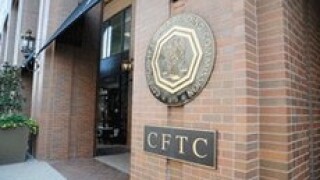
The US Commodity Futures Trading Commission has announced further implementation details surrounding the trade execution requirement for certain interest rate and credit default swaps, as swaps that are part of a package transaction will be required to be traded on a swap execution facility or designated contract market beginning May 16.
-
South Korean authorities are looking at two different ways a derivatives capital gains tax could be implemented; either an annual rate of 10% on capital gains earned in excess of KRW2.5 million, or an annual rate of 20% on total earnings from gold trading and financial investment products, including derivatives.
-
Hedge funds are not net-shorting their Chicago Board Options Exchange volatility index futures positions and have started recently to hedge against a potential correction via S&P 500 puts, put spreads on emerging markets and best of puts on global indices.
-
The Financial Conduct Authority has banned John Christopher Hughes, an ex-UBS exchange-traded-fund trader, from performing any function in relation to any regulated activity in the financial services industry. Between Jan. 1 and Sept. 14, 2011, Hughes was the most senior trader on the ETF desk at UBS when Kweku Mawuli Adoboli, another trader on the desk, made $2.3 billlion unauthorised trading losses through an unreported fund they called the umbrella, according to a notice released this morning by the regulator.
-
US regulators could reveal further details on margin requirements for non-centrally cleared over-the-counter derivatives before summer, giving market participants greater certainty on future collateral requirements.