Currencies
-
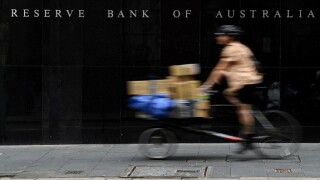
 The Reserve Bank of Australia (RBA) and Reserve Bank of New Zealand (RBNZ) acted this week to protect their economies against the effects of the Covid-19 pandemic.
 -
Hong Kong financial services firm Sun Hung Kai & Co has returned to the loan market after nearly four decades for a HK$500m ($64m) deal.
-
The Belgian region of Wallonia has decided to conduct the investor marketing for its euro sustainability benchmark solely over the phone rather than by attending meetings as the Covid-19 pandemic worsens.
-
The recent fall in the price of oil is having a knock-on effect on non-core currency issuance. While oil dependent markets could take a hit as their currencies weaken, some net importers could benefit from a stronger currency and safe haven flows.
-
Trading levels given are bid-side spreads versus mid-swaps and/or an underlying benchmark and bid-yields from the close of business on Monday, March 9. The source for secondary trading levels is ICE Data Services.
-
A window for Kangaroo issuance opened this week, as a positive move in the Australian dollar/euro basis swap helped rouse a slumbering market that had not seen a deal for a fortnight. In spite of unstable conditions, SSAs entered the market on Monday and Tuesday, with a trio of regular borrowers tapping six lines for a combined A$575m ($364m).
-
Green deals from Hypo Vorarlberg and Russian Railways were sold in Swiss francs this week in what were immensely tricky conditions. The market was awash with deals in January and February, but many feel the spread of coronavirus will bring a halt to the momentum moving into March.
-
Central banks across the world seem to be heading towards rate cuts, accelerated by the need to mitigate the economic effects of the Covid-19 outbreak. An unintended consequence of this is an increasing scarcity of attractive arbitrage funding opportunities for borrowers. This sort of funding, typically a perk of the best rated borrowers, will concentrate funding risk for them instead — ironically at a time when they should benefit from their safe haven status.
-
Two German states rebooted the primary SSA market on Tuesday with intraday deals at the opposite ends of the euro curve. The five year deal was almost two times covered but there were no book updates for the 15 year.
-
Trading levels given are bid-side spreads versus mid-swaps and/or an underlying benchmark and bid-yields from the close of business on Monday, March 2. The source for secondary trading levels is ICE Data Services.
-
Dubai Islamic Bank, which began roadshows over a week ago for a senior unsecured sukuk, has postponed the deal as a result of the Covid-19 virus, according to bankers near the deal. The spread of the virus has caused sharp swings in global markets, causing havoc in primary markets.
-