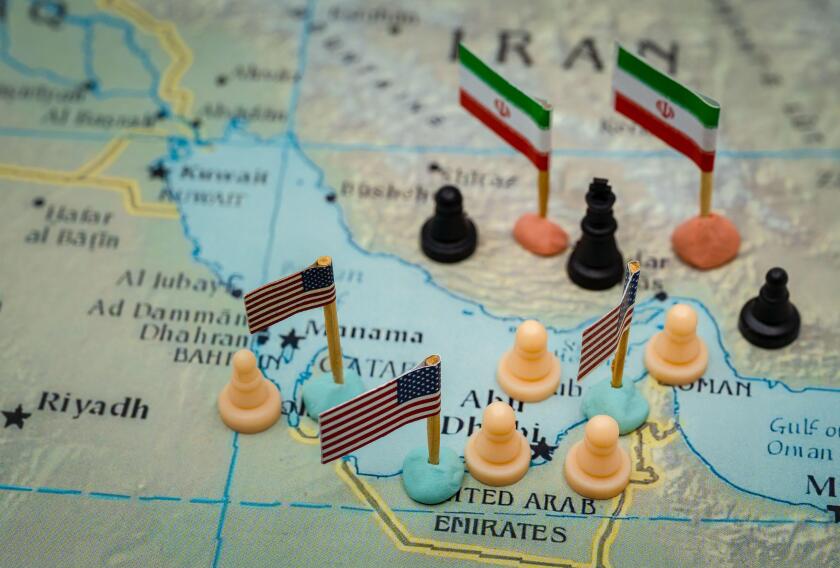
The shock and horror of the 13 days since the outbreak of the US-Israeli war on Iran have given everyone in capital markets plenty to think about, and ABS specialists are no exception.
In the past few months, spreads on many sections of the US market had been tightening relentlessly, giving investors very little cushion for any shocks.
The most immediate impact on the global economy has been the disruption to trade in and out of the Persian Gulf through the Strait of Hormuz.
Each year about 20% of global oil production, 19% of liquefied natural gas, 33% of seaborne fertiliser trade and 2.8% of container shipping pass through the strait.
The blocking of that trade is undeniably bad for nearly every economic stakeholder. But paradoxically, container lessors — some of which are substantial securitization issuers — might even benefit.
When trade routes are disrupted, container ships get held up or take longer routes. That means they are at sea for longer, so containers become scarcer — and more expensive to hire.
Estimates vary, but the crisis is estimated to have trapped over 100 container ships inside the Gulf, so the effect on rates will be immediate.
As an indicator of the potential effect, Drewry's World Container Index of freight rates has risen 8% this week, to $2,123 per 40ft container.
The same narrative played out during the Houthi attacks on shipping in and out of the Red Sea.
In June last year, two companies, Textainer and Seacube, came to the market within days of each other.
The cashflows through their existing deals had risen so much that the rating agencies allowed them to issue more junior mezzanine debt.
Textainer's new paper was backed by residual cash flow from seven ABS deals issued from a master trust between 2020 and 2024 and backed by more than 1.2m leases. They mature between 2028 and 2032.
Seacube pooled residual cash flow from deals issued in 2021, 2022 and 2023 backed by 200,000 containers.
S&P Global's presale report for Seacube 2025-R deal, referring to general shipping dynamics in the years after the Covid pandemic, notes the "unexpected outperformance can be traced primarily to the persisting re-routing of container ships away from the Red Sea, as well as the stronger-than-expected global trade volumes and port congestion."
The Iran war is obviously a different situation. Other factors have changed, too, like interest rates.
But there is a reasonable chance that, though container shipping is stressed in the Strait of Hormuz, container ABS can ride it out.