UBS
-
 China’s largest container port operator for crude oil and iron ores, Qingdao Port International, started receiving bids for its HK$2.92bn ($377m) IPO on May 26. But by coming out with a fixed price, a shortened three-day bookbuild, and a covered book message, investor participation is expected to be limited for this friends and family IPO.
 -
Beijing Automotive Group (BAIC) is looking to make a debut in international bond markets as it hits the road for a potential offshore renminbi issue.
-
Chinese leasing company UT Capital made its debut in international bond markets on Thursday with a three year dim sum backed by a keepwell agreement from parent Haitong Securities.
-
UBS has continued the revamp of its European corporate finance operations with the appointment of a new head of its mergers and acquisitions department in the region.
-
Eurozone periphery issuers showed themselves to be resilient when tackling choppy markets, as borrowers printed a series of strong deals despite yields pogoing over the course of the week.
-
Julius Baer, the Swiss private bank, sold its second additional tier one capital deal on Tuesday afternoon. The issuer was able to price an oversubscribed trade at the tight end of guidance as Swiss and Asian investors seized on the deal's attractive coupon.
-
Mortar producer Parex Group will this week or next launch high yield bonds to back its takeover by CVC Capital Partners, lead bankers have told GlobalCapital.
-
UBS is bolstering its senior ranks to take its revamped corporate finance business to the next level, writes David Rothnie
-
Chinese leasing company UT Capital Group, a wholly owned subsidiary of Haitong Securities, launched its inaugural international bond - a three year dim sum – on Thursday.
-
The $1.78bn IPO of Chinese online retailer JD.com got a rousing reception from investors, so much so that bankers on the trade were forced to cross out one third of the bids.
-
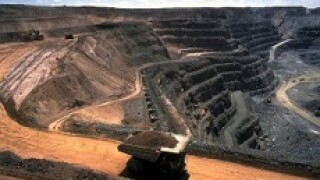
Yanzhou Coal Mining (Yancoal) priced a perpetual non call two year hybrid on May 15 to bolster its balance sheet. As slowing economic growth in China fanned concerns about the prospects for the country’s coal industry, the issuer took a cautious approach to structuring and had to pay a hefty premium.