Top Section/Ad
Top Section/Ad
Most recent
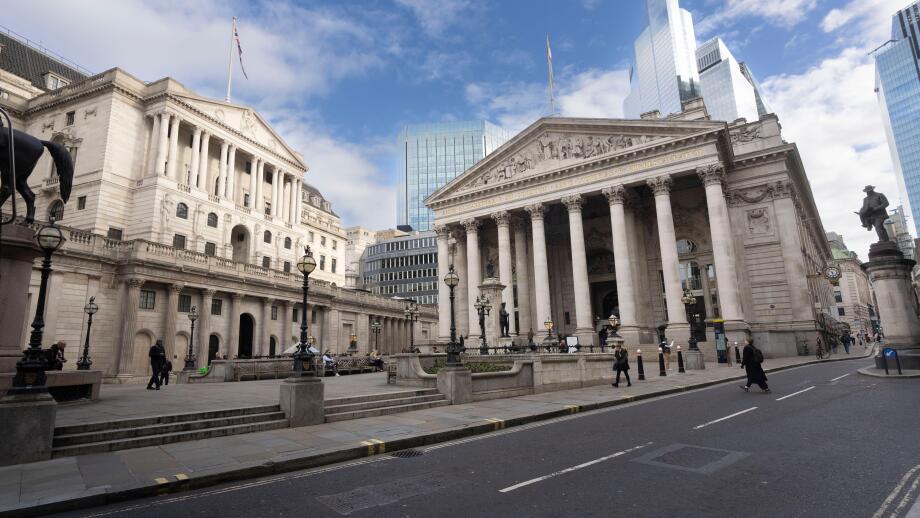

Creating unified trading data feeds is proving much harder — and more controversial — than foreseen

Little green men could be closer than they appear

Scrutiny of regulatory proposals by those without securitization expertise is a feature, not a bug

Tom Hall goes through a sterling week of deals for European ABS, while Thomas Hopkins dissects the dangers that a rise in LMEs would pose for European CLOs
More articles/Ad
More articles/Ad
More articles
-
 Randal Quarles, the head of global regulator the Financial Stability Board, warned on Thursday that cryptocurrencies and increasing fragmentation of financial markets carried the greatest threats to market stability.
 -
The European Insurance and Occupational Pensions Authority (EIOPA) has told the European Commission that capital requirements for insurers should not be tweaked to encourage sustainability, nor calculated using a longer time frame to better incorporate the effects of climate change. Instead, it suggests analysis, stress tests and disclosure of risks.
-
Metro Bank joined Deutsche Bank this week in demonstrating how regulatory debt capital issues drive fears over business sustainability. Will regulators get cold feet and pull back?
-
Schuldschein arrangers have actively prevented US investors from lending in the market over the past few years, for fear of the consequences of US regulators ruling the instrument a bond security as opposed to a loan. But as new arrangers enter the market, the old guard’s ability to protect their cherished loan instrument — and their market share — is in question, Silas Brown reports.
-
Several European banks sponsoring ABCP conduits have been investigating the possibility of converting these vehicles to the STS regime, but bankers say the risks outweigh the reward.
-
Credit Suisse has found one way to deal with low interest rates in Europe: switch into another currency. The Swiss bank has conjured up an extra Sfr250m ($250m) of net interest income (NII) per year from changing how it hedges the capital to meet its operational risk.