Top Section/Ad
Top Section/Ad
Most recent
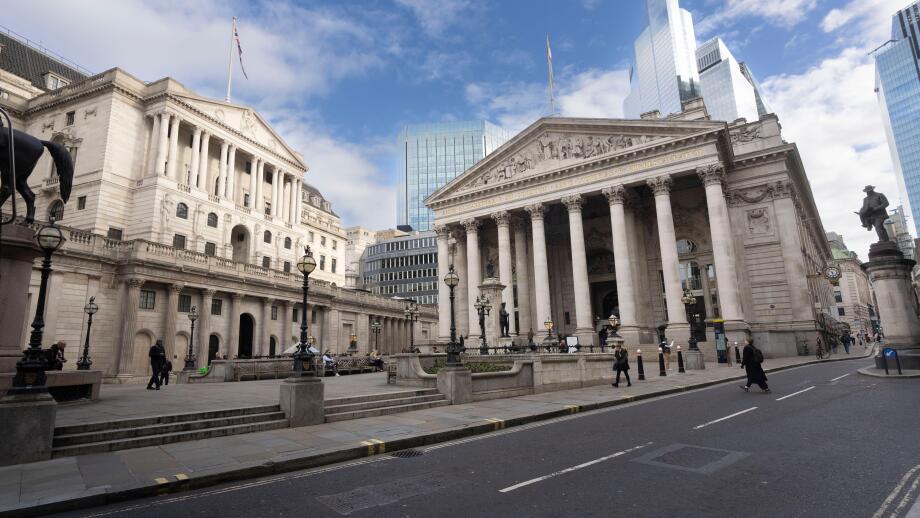

Creating unified trading data feeds is proving much harder — and more controversial — than foreseen

Little green men could be closer than they appear

Scrutiny of regulatory proposals by those without securitization expertise is a feature, not a bug

Tom Hall goes through a sterling week of deals for European ABS, while Thomas Hopkins dissects the dangers that a rise in LMEs would pose for European CLOs
More articles/Ad
More articles/Ad
More articles
-
Since the global financial crisis, central banks have accumulated powers over regulation and supervision of markets as well as over monetary policy. In 2019 politicians began to erode that with interventions that have raised questions over who should control markets. By Phil Thornton
-
The transition from one set of interest rate benchmarks to another is conceptually simple. But it is also unprecedented and has deeper consequences than many realised when Libor’s abolition was announced in 2017. With contracts worth hundreds of trillions of dollars referencing the disgraced benchmark, even small errors will have vast repercussions. PPI mis-selling? You ain’t seen nothing yet. Richard Kemmish reports
-
Franklin Roosevelt’s New Deal helped pull the US out of the Great Depression. Climate change is a bigger crisis and requires a similarly total response. But is the European Commission being ambitious enough? And will politicians, business and society accept the changes required? Jon Hay reports
-
 As European Union regulators start to review the Markets in Financial Instruments Directive, some market participants are nervous that Germany will use the opportunity to stamp out their own ambitions for open access to clearing houses.
 -
Christine Lagarde, the new European Central Bank president, has planted a flag, placing climate change at the centre of the ECB’s priorities. That is bold — and laudable — but if the ECB is to have a meaningful impact, green QE is not enough. The ECB must divest its holdings of unsustainable assets.
-
Even the best in class make mistakes. Coventry Building Society, incredibly well capitalised when compared with its banking peers, has been overstating its common equity tier one (CET1) ratio. Correcting the mistake does not affect its capital ratio greatly, but the episode raises questions over governance according to one analyst.