Morgan Stanley
-
 Power companies were at the forefront of the international market on Monday, with India’s Neerg Energy and Indonesia’s Bukit Makmur Mandiri Utama launching high yield dollar deals.
 -
Xella increased its €1.4bn buyout term loan for a second time on Thursday morning, adding another €50m in lieu of a proposed shareholder loan, while US software firm Infor did the same on its €750m term loan.
-
-
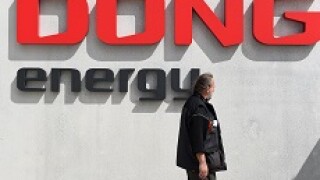
Europe’s equity block trade market kicked into a higher gear this week, with a rush of deals including big trades in Lonza, Worldpay and Dong Energy. The Dong trade on Thursday night, worth Dkr6.5bn (€874m), pushes the week’s total above €3bn.
-
SSA bankers are gearing themselves up for another round of dollar supply next week after the currency’s record breaking January. Buoyant conditions even allowed one issuer to bring a bulky benchmark, despite this week’s public holidays in Asia.
-
The European IPO market is getting busier, with several deals launched this week, and another close to being priced.
-
The vibrant activity in the equity block trade market this week is continuing tonight, with three more selldowns of stock in European companies, including the last sale of stock in Worldpay, the UK payments group, by Advent International and Bain Capital, for about £600m.
-
The IPO of Detsky Mir, Russia's largest toy retailer, is covered. It is set to be priced on Tuesday.
-
The Province of Ontario sold a five year global bond on Wednesday, shattering the silence in public sector dollar markets with a $2.5bn trade.
-
The frenetic pace of January’s SSA issuance may have abated but some issuers are still making the most of supportive conditions to pull off good deals.
-
Argentine airport operator Aeropuertos Argentina 2000 saw its new 10 year bond trade up around a point on Tuesday as Latin American corporates extended their stay in a friendly primary market.
-
Tonight’s hail of block trades includes, besides the Lonza and Zoopla deals, at least two other transactions.