HSBC
-
 Two equity accelerated bookbuilds were conducted in Europe on Tuesday evening. One was a private equity selldown of Thule – but more unusually, Capgemini raised €500m for an acquisition, at a 2.9% discount.
 -
An agency is set to become the latest issuer to enter the green bond market, after scheduling a global investor call for Friday.
-
National Bank of Abu Dhabi on Wednesday printed its $750m tier one perpetual with a coupon of 5.25%, the lowest ever for this kind of deal from the CEEMEA region. The feat was even more impressive for being printed on a day when Credit Suisse had its 10 year bond pulled because of market volatility.
-
Two first time bond issuers joined the corporate pipeline this week, with TDF Infrastructure and the University of Liverpool preparing to debut, despite a choppy primary market.
-
Euro high yield investors on Thursday had more than €1.8bn of bonds to consider and two more tranches in euros whose final sizes were yet to be set — New Look, the UK fashion retailer, being at the forefront with the largest offering.
-
HSBC's Russell Julius will take over as HSBC's global head of equity capital markets, as John Crompton will now focus solely on corporate finance.
-
-
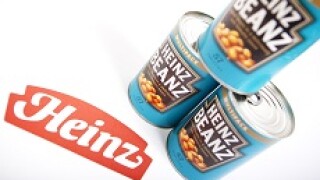
Europe's investment grade corporate bond pipeline swelled even more on Thursday, though the primary market stayed silent, as HJ Heinz announced a roadshow to prepare funding for its merger with Kraft.
-
United Biscuits has returned to the leveraged loan market, seeking a repricing of around £960m-equivalent of debt, raised in December to back its buyout by Yildiz Holding, the Turkish foods group.
-
National Bank of Abu Dhabi on Wednesday printed its $750m tier one perpetual with coupon of 5.25%, the lowest ever for this kind of deal from the CEEMEA region. The feat was even more impressive for being printed on a day when Credit Suisse had its 10 year bond pulled because of market volatility.
-
Oi, the Brazilian telecoms company, is seeking to issue a €500m high yield bond, and buy back four old euro bonds.
-
HSBC will be hoping that Asia is not about to suffer any extended financial stress as it is basing its growth strategy on the region for the next three years. But its plan to reallocate a large chunk of risk weighted assets (RWA) to Asia from poor performing areas raises questions over whether the opportunity in the region is big enough to support the investment, write Lorraine Cushnie and Mark Baker.