Top Section/Ad
Top Section/Ad
Most recent


Creating unified trading data feeds is proving much harder — and more controversial — than foreseen

Bond specialists sceptical that auctions can yield better results than bookbuilding

When staff complain, they deserve a fair hearing, not a wall of silence

Waterfall of promotions follows Karia's move to insurance post
More articles/Ad
More articles/Ad
More articles
-
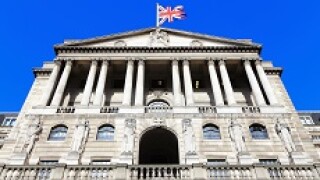
 The Bank of England said this week that it wait for Europe to take a lead on a number of important developments regarding the minimum requirement for own funds and eligible liabilities (MREL) before clarifying its own position.
 -
The Bank of England has published two consultation documents for what it describes as the “final major piece” in the development of a bank resolution regime in UK.
-
The Reserve Bank of New Zealand has unveiled the latest plank of its highly unusual approach to bank capital regulation. Under the proposed changes, the four large subsidiaries of Australian banks that operate in the country will have to raise billions of tier one capital and will be able to rely on loss-absorbing debt instruments far less than peers in other jurisdictions.
-
2019 is likely to be another year where the independent mandate of central bankers comes under pressure from populist politicians in democracies. It is easy for those in the market to sympathise with the quiet technocrats over the loud-mouthed headbangers, but scrutiny is deserved.
-
European Union member states are set to soothe banks’ concerns about having too tight a window to change their risk-free euro reference rate from Eonia, with a postponement of the transition to Ester due on Wednesday.
-
Italian populists rocked Europe in 2018, bringing fresh political and market turmoil, highlighting the EU’s failures while simultaneously making it harder to solve them. When the next crisis arrives, the bloc may well rue missed opportunities to shore up the financial system.