
Most recent/Bond comments/Ad
Most recent/Bond comments/Ad
Most recent
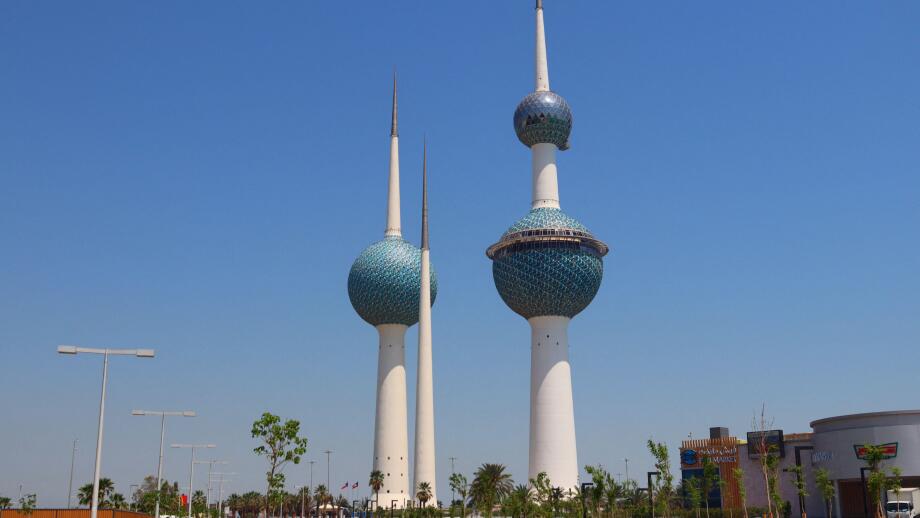

The country's curve has rallied since the US and Iran agreed on a peace MoU

Most of the demand came from local investors, as one banker expected

Price was 'way off' fair value, according to a source on the deal

Rare borrowers Burjeel Holdings and Avilease also marketing deals
More articles/Ad
More articles/Ad
More articles
-
Karachi, March 16, 2012: JCR-VIS Credit Rating Company Ltd. (JCR-VIS) has revised the Fund Stability Rating of Meezan Islamic Income Fund (MIIF) from 'A(f)' (Single A(f)) to 'A - (f)' (Single A Minus(f)). The rating denotes moderate degree of stability in returns.
-
Karachi, March 16, 2012: JCR-VIS Credit Rating Company Limited (JCR-VIS) has re-affirmed the entity ratings of Sadaqat Limited (SL) at 'A - ' (Single A Minus) for medium to long-term and A-2 (A Two) for short-term. Outlook on the medium to long-term rating is 'Stable'.
-
The continuing no-show of Goldman Sachs's proposed sukuk programme has done little to dampen the rumour mill surrounding the issuer. The latest talk in the market suggests that the bank is taking its time to address concerns about the deal before returning to the Islamic market.
-
Malaysian state-owned investment company Khazanah Nasional has issued its first exchangeable sukuk for four years and the largest equity-linked trade in Asia (ex-Japan) so far this year.
-
Date posted: 15 March 2012