Top Section/Ad
Top Section/Ad
Most recent


◆ Supranationals and agencies prepare to achieve the previously unthinkable ◆ Leveraged loans versus private credit and their effect on CLOs ◆ A new dawn for dollar covered bonds and UK equity market structure

Bot claims funding is ‘cheaper than peers who borrow from independent banks or credit funds’

Ferrero International markets €300m deal

Margins widen as lenders weigh up AI disruption to portfolio companies
More articles/Ad
More articles/Ad
More articles
-
 LSE Group is pushing ahead with a plan to launch a debt venue to rival Ireland's and Luxembourg’s professional markets, which have built commanding positions with relaxed disclosure rules and easy listing requirements. But the UK government is dragging its feet on tax reforms that are crucial to the project.
 -
Tikehau Capital has appointed a new head of its London operations.
-
Wilmar International, a Singaporean agricultural firm, sold its first bond in three years on Wednesday.
-
Santander’s former head of Middle East corporates, Wafi Saleh, has joined Spanish business services firm PKF Attest as a partner of the debt capital market division.
-
McDonald’s has returned to the MTN market after a year-long hiatus, raising €500m with a two year floater via Goldman Sachs.
-
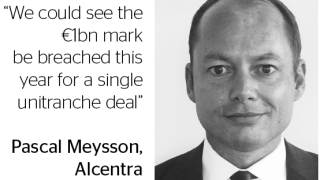
Unitranche funds are hauling in money, even though lending spreads have come down a long way. At a time of exceptional conditions for borrowers in the syndicated leveraged loan market, unitranche lenders are still finding deals to do. Speed is in their favour — and wider market volatility this year may also play into their hands. Max Bower reports.