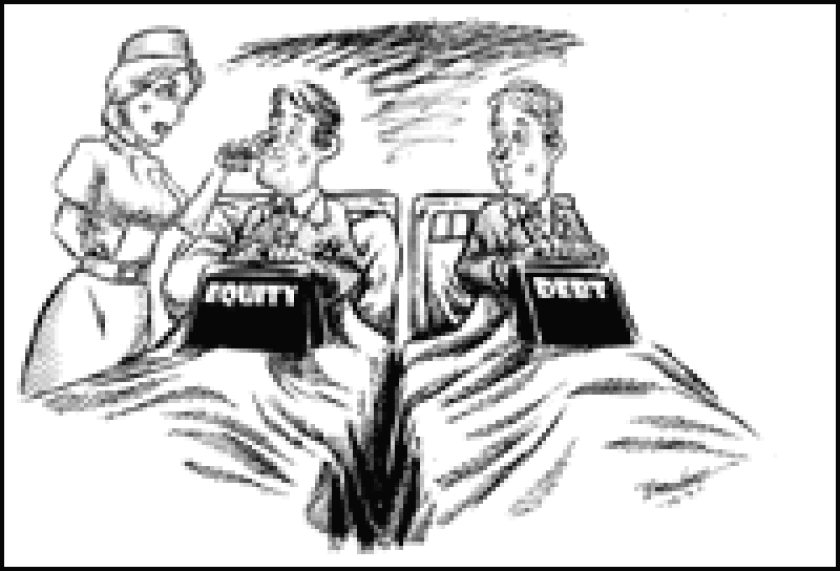
Hospital operatorHCA Inc.'s plan to fund a $2.5 billion equity buyback through debt issuance has heightened investor concern about the potential for an increase in corporate behavior unfriendly to fixed-income investors. "That the equity market is moving sideways is putting pressure on companies," said one investment-grade investor, explaining why fears are ratcheting up now.
John Tierney, investment-grade credit strategist at Deutsche Bank, said the consumer sector is particularly vulnerable to shareholder-friendly activity because equity returns for the sector have been poor and companies have a significant amount of cash sitting on their balance sheets. Tierney declined to highlight specific names that are vulnerable.
Overall, companies most likely to hurt bondholders other than HCA are ones who underperformed during the equity rally in 2003 and are looking to improve returns for 2004.
The shift is significant for both the high-grade and high-yield markets, since a buyback and subsequent credit rating downgrade could happen again and fallen angels typically make up a large part of the high-yield indices. HCA, for example, is now one of the largest issuers in the junk universe. Michael Taylor, high-yield strategist at Bear Stearns, said with over $7 billion in debt it is the sixth largest issuer in the Bear Stearns High Yield Index and comprises about a quarter of the high-yield healthcare sector.
Standard & Poor's promptly downgraded HCA to double-B plus from triple-B minus following news of HCA's share buyback program, while Moody's Investors Service placed its rating on review for downgrade. "The depth of their share buyback program eliminates the possibility that this company will ever be investment-grade," said one high-grade portfolio manager. "Management made a choice and a statement about their commitment," he added. Jeff Prescott, spokesman for HCA, did not return calls.
HCA's 5 3/4% of '14s widened 30 basis points to about 200bps over Treasuries following the repurchasing announcement last week.