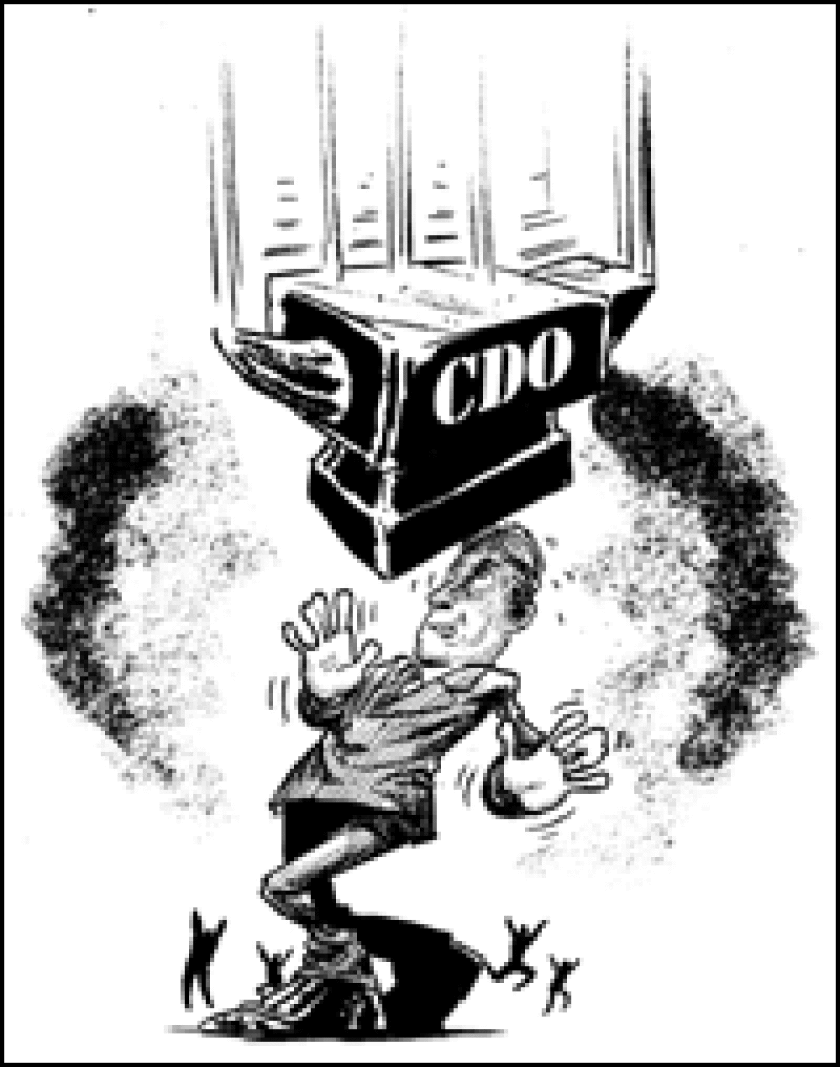
Credit hedge funds in the U.S. and Europe that have purchased the equity tranche of collateralized debt obligations are worried poor performance--caused by a deteriorating credit environment--could force a sell off, sending the value of their investments into a death spiral. Credit-default swap spreads on some individual names have ballooned, for example General Motors' spread increased to 865 basis points last week from 250bps at the start of the year. This spread widening has decreased the value of the equity tranches, many of which contain General Motors, because the market is predicting losses are more likely.
Lee McGinty, European head of credit derivatives strategy at JPMorgan in London, said hedge funds have been snapping up the equity tranches of CDOs on the basis that they can hedge the single-name exposure, but due to the increased volatility in some of the single-name default swaps this has become more expensive, eroding much of the value of the trade. The situation is worse in the U.S. because default correlation is lower, which means the equity tranches are more likely to be hit by a default, he added.
Funds that have recorded several months of losses or poor returns are likely to be the most concerned about investor redemptions and will be under pressure to cut trades with mark-to-market losses, explained one fund manager. Because so many credit funds have the same position the underperformance of equity tranches is all the more risky, he added. "It's a lingering concern," said the fund manager, who noted the recent tightening in spreads had not wiped out the possibility of a market squeeze.
Olivier Renault in the quantitative credit strategy group at Citigroup in London, explained the equity tranche of a CDO is particularly sensitive to single-name risk, such as that seen in the auto sector. "What hurts the funds in particular is this idiosyncratic risk," said Renault. He said the recent selloff in spreads will lessen the impact of equity tranche underperformance, but added, "it would be nice if this idiosyncratic risk would go away."
Some credit hedge fund traders, however, report, there is still two-way flow in equity tranches so although some funds are reducing their positions there are investors waiting to snap up the trades. The funds still buying the equity tranches believe that although spreads have widened, defaulted risk has not increased as much and therefore the trades are still a good bet.