UniCredit
-
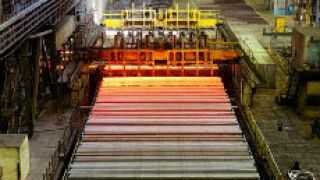
 Russian steel company Evraz has set the yield on a long five year benchmark at 8.25% area, a level that bankers away from the deal said was roughly in line with where he calculated fair value for the bond.
 -
UniCredit has made a string of internal appointments to its Asia and Americas management teams.
-
Activity in the covered bond market had been expected to slow down but instead it has been surprisingly busy this week, with as many as three euro benchmarks surfacing over the first three days.
-
Air Liquide and Saipem loans show that bankers and borrowers are not yet slowing down as they seek to tie up remaining bumper deals they launched in a busy fourth quarter.
-
Russian steel company Evraz is roadshowing a Reg S senior unsecured dollar bond through six active bookrunners and two passive, in tandem with a tender offer.
-
Zumtobel, the Austrian lighting manufacturer, made one change to its seven bank syndicate in a €500m loan refinancing.
-
Europe's high yield market has made a remarkable comeback in the past fortnight, crowned this week when Ball Corp, the US can maker, priced a €2bn-equivalent bond, highlighting the bullishness of euro markets inflated by QE, writes Victor Jimenez.
-
Ball Corp, the US metal packaging manufacturer, wants to issue its first euro bond as part of a €1.5bn-equivalent deal to support the purchase of UK can maker Rexam.
-
Austrian oil and gas company OMV emerged on Monday with a dual tranche hybrid bond that had been promised since August, but a broader revival for the product may have to wait until next year.
-
Anticipation that the European Central Bank will extend its public sector purchase programme on Thursday resulted in what one banker called an “abnormally successful deal” from Erste Abwicklungsanstalt on Monday.
-
Two of Italy's 12 largest banks are below their capital requirements, according to the European Central Bank’s supervisory review and evaluation process (SREP).