Santander
-
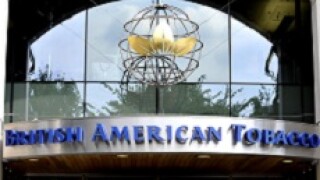
 British American Tobacco is expected to bring the week-long run without any new corporate bond issuance to an end later this week. The UK based tobacco company could issue in dollars, euros and sterling.
 -
Basque telecoms firm Euskaltel gained access to a third market in northern Spain after the acquisition of Telecable from Zegona Communications, which it is funding with loans and equity.
-
Anglian Water, priced a £250m eight year green bond on Monday. The size and tenor are unremarkable, and in a generation of sustainability and responsibility, a green bond should cause similarly few ripples. However, this was the first sterling-denominated green bond issued by a corporate borrower since 2015.
-
Forecasts that Europe’s corporate bond market would be all but closed for the summer this week were belied by Unilever on Monday when it launched its biggest-ever euro bond and took some of the tightest corporate pricing ever.
-
With no new issues pricing on Thursday, and no sign of Superstrada Pedemontana Veneta’s €1.55bn dual tranche deal, it could be left to The Housing Finance Corp (THFC) to save the investment grade corporate bond market from a three day run without any issuance.
-
The three new issues and one tap that priced in the investment grade corporate bond market this week were all two to three times oversubscribed, but a thinning supply pipeline and the excuse of a Fed meeting meant no deals were launched on Wednesday or Thursday. However, three issuers are looking to issue before the summer break, following meetings with investors.
-
Santander’s €7bn rights issue finished 8.2 times covered, according to a filing with the CNMV, the Spanish regulator.
-
The corporate bond deals priced so far this week show a robust market. A US Federal Reserve meeting and a thinning pipeline may have resulted in a maiden over of a Wednesday, but hopes are high of primary business picking up before the end of the week.
-
Spanish banks will return from their blackout periods this week but market participants believe it is unlikely that the country’s issuers will jump into issuing non-preferred senior debt in August.
-
European Central Bank president Mario Draghi may have signed off for the summer by dampening debate around tapering of the ECB’s bond purchasing, but investors are still at their desks with money to spend.
-
For months investors have been complaining about how far pricing moves from initial price thoughts to guidance and again in final pricing in the corporate bond market. On Wednesday, Vodafone responded with a new approach to marketing. The response, however, was not what those involved expected, writes Nigel Owen.
-
Vodafone was the star issuer of last summer, printing jumbo deals which served to kick-start the sterling corporate bond market, which is still going strong. On Wednesday however, they opted for more conservative volumes, printing before the summer shutdown begins. The UK telecoms company also adopted a novel approach to pricing.