Top Section/Ad
Top Section/Ad
Most recent

Issuer's £280m deal was cleverly marketed

Platform claims it can make documenting bonds much faster

Allowing machines to process loan information on a single standard would increase resilience, streamline workflows and support AI

Bank has done five deals, hopes for rapid growth
More articles/Ad
More articles/Ad
More articles
-
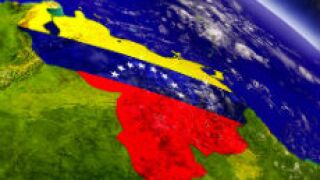
 In the wake of Venezuela’s launch of petro, an oil-backed digital currency under the control of the nation’s central bank, a host of sovereign cryptocurrency products have emerged. For some nations, it is a ploy to circumvent sanctions but, for others, it could provide an important piece of future infrastructure for blockchain based settlement.
 -
Governments and central banks around the world are announcing plans for state run cryptocurrencies. While some developing countries are keen to do so to circumvent international sanctions, cryptocurrencies from developed countries could form a major part of blockchain settlement infrastructure.
-
Part of the job of a financial regulator is to protect the general public from itself by keeping dangerous financial instruments on the top shelf, behind the cookie jar. But the rules don’t make sense.
-
Venezuela has become the first sovereign nation to launch a cryptocurrency. While few outside Venezuelan president Nicolas Maduro’s administration are impressed by the pioneering venture, others are expected to follow suit nonetheless, write Lewis McLellan, Costas Mourselas and Oliver West.
-
The French financial markets regulator clamped down on cryptocurrency derivatives on Thursday, setting out tighter regulation and an advertising ban for the products.
-
Since cryptocurrencies started to go legit, many in the market assumed legitimate uses for the technology would marginalise criminal uses that characterised bitcoin’s early development. This was naïve. Venezuela’s foray into the sector show that avoiding the constraints of the mainstream financial system remains at the heart of the cryptocurrency value proposition.