Mizuho
-
British Telecommunications and Coentreprise de Transport d’Electricité launched triple tranche bond deals on Tuesday, with demand skewed towards the longer tranches.
-
 India’s Rural Electrification Corporation (REC) has mandated banks for a green dollar bond, a first for the company.
 -
Coentreprise de Transport d’Electricité made a statement with its inaugural bond issue on Tuesday. The holding company for the French power grid company achieved its aim of raising €2.92bn in three tranches, achieving greater size with the longer bonds.
-
Yapi Kredi raised $500m with a seven year senior bond on Wednesday, bringing the total of Turkish bank issuance so far this year to $5.3bn.
-
Yapi Kredi hit screens on Wednesday with a new seven year note and will be hoping to capitalise on more positive economic indicators from Turkey, while offering some juice to overcome any investor fatigue around buying Turkish bank debt, according to a buy-side analyst.
-
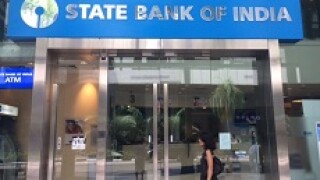
State Bank of India, which wrapped up a $500m syndication with 21 lenders this week, is already eyeing a new borrowing of about the same size, said bankers.
-
ONGC Videsh (OVL), the overseas investment arm of Indian state-owned ONGC, is seeking a dual currency $844m-equivalent loan from the offshore syndication market.
-
Industrial Commercial Bank of China’s London branch and subsidiary signed a self-arranged $1.25bn facility in an oversubscribed deal with 16 banks on Tuesday. The deal follows a spate of lending by the bank in emerging market deals.
-
A $500m three year borrowing for State Bank of India has been allotted among 21 lenders, eight of which joined during general syndication.
-
For the second time this year Norilsk Nickel tried to push its luck with pricing, only to find that investors would not support it through to the tight end of guidance.
-
Indonesia's Mitra Pinasthika Mustika Finance has returned to the international loan market with a $100m deal, less than a year after signing its last fundraising.
-