Middle East
-
 Emirates Islamic Bank launched a $750m five year sukuk on Monday in a hectic market for Middle Eastern issuers.
 -
Moody’s has talked up the positive credit aspects of Turkish covered bonds in an in-depth report which it published on Thursday. However the agency says Turkish covered bonds remain susceptible to tail event risks such as the political environment — a point which locals dispute.
-
Saudi Arabia has released a request for proposals for its much anticipated international bond. GlobalCapital has details.
-
The Gulf region is on for a record first five months of the year for bond issuance with Qatar, Noor Bank, Etihad and DP World all mandating this week.
-
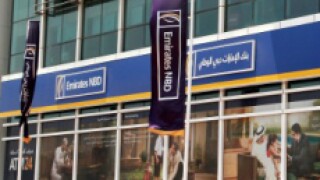
Dubai-headquartered Emirates NBD is paying 150bp all-in pricing for its latest loan, tightening from the cost of the previous financing, according to a banker close to the deal.
-
Middle East banks are still drumming up strong demand from the loan market despite bearish ratings for the region this week, with Qatar National Bank and Emirates NBD testing the market.
-
Ooredoo, one of the largest telecommunications firms in the Middle East and Africa, is refinancing a $1bn three year revolving credit facility, according to two bankers.
-
Turkiye IS Bankasi’s consent solicitation — aimed at converting its disqualified tier two bond into a Basel III compliant instrument — has angered some investors, who feel Isbank is offering too little. But the bank is right to strong-arm investors who were aware of the risks they were taking when they bought the deal.
-
DP World, one of the world’s largest port operators, has mandated nine banks for a dollar sukuk and is looking to price the deal next week.
-
Qatar has mandated banks for a dollar senior unsecured bond, which bankers away from the note are expecting to be as large as $5bn in total.
-
Emirates NBD is close to finalising a loan of $1.25bn or more, according to two sources at the bank.
-
The head of loan syndications at Emirates NBD Capital, the investment banking arm of Emirates NBD, has left the bank.