Citi
-
 Two Russian borrowers are lining up bonds for next week with Credit Bank of Moscow set to issue its second capital trade of the year, and PhosAgro looking to finance a buyback with a new issue.
 -
Wall Street’s heavyweights peppered the dollar market with big self-led callable deals after reporting a stream of strong first quarter earnings, with one notable exception.
-
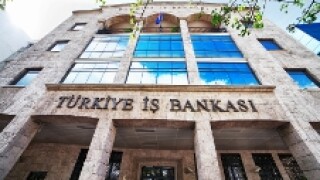
Turkey’s Isbank cut through post-referendum uncertainties on Thursday to bring a new senior bond but offered plenty of juice to get things started.
-
India this week teed up the first divestment of the 2017/18 financial year and it hit a hole-in-one, after investors bundled into the book as soon as it opened. With the government rushing out requests for proposals for more sell-downs, the success of its debut is a sign of things to come, said equity market bankers in the country. Jonathan Breen reports.
-
China’s Times Property Holdings sealed a quick $225m deal on Wednesday to reach the upper limit on its offshore issuance cap for the year.
-
Bank of America opened books on a four tranche dollar deal on Wednesday, following first quarter earnings and chasing huge senior transactions from its peers JP Morgan and Citi.
-
Korea Resources Corporation, or KoRes, wrapped up its annual return to the dollar bond market with a $425m five year transaction. However, bankers said the issuer paid up due to tensions on the Korean peninsula and an unexpected imminent UK election.
-
Citi has made two new hires from rival banks for its newly-formed resources, infrastructure and utilities group in Australia and New Zealand.
-
Stock Connect investors are demanding a multi-broker delivery versus payment (DVP) solution to limit counterparty risk issues that have thrown up by the different settlement cycles, Cindy Chen, country head of securities services at Citi, told GlobalRMB. Brokers are lining up to the join platforms despite the competitive challenges.
-
Wednesday proved yet another robust day for Asian bonds, with rubber company Halcyon Agri Corporation, Industrial and Commercial Bank of China’ Singapore branch and Chinese developer Times Property Holdings out for funds in the primary market.
-
Misys, the UK financial software firm, held bank meetings on Tuesday in London for a €1bn term loan to back its $3.6bn-equivalent acquisition of D+H, a Canadian competitor, following sponsor Vista Equity Partners’ failed IPO of the UK firm last year.
-
Russian fertiliser producer Phosagro will meet investors from Thursday for its first Eurobond since 2013.