Top Section/Ad
Top Section/Ad
Most recent
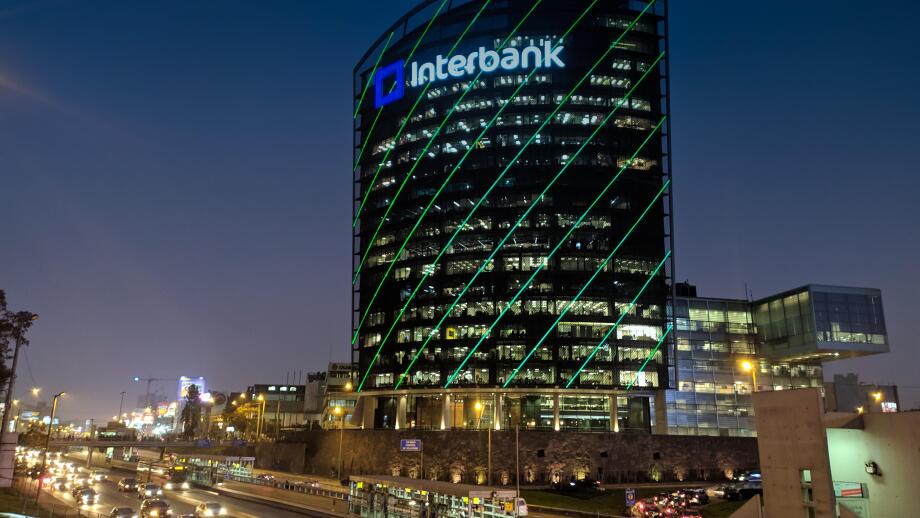

Investors saw plenty of juice in first public AT1 from Chile as regulatory framework draws praise

Mexican lender falls short of bond size target as late 2023 momentum fades

◆ US RMBS sales in Europe: immigration or vacation? ◆ UBS AT1 makes nonsense of claims of investor fears ◆ The EU's last hurrah in the SSA market

◆ IG investors comfort eat sweet spreads ◆ What can FIG issuers do now? ◆ US HEI securitizations: mainstream or flash in pan?
More articles/Ad
More articles/Ad
More articles
-
 Scor SE, the French reinsurance firm, is set to become the first issuer to sell restricted tier one (RT1) capital at a benchmark size in dollars or euros. Unlike the other RT1s issued so far in core currencies, it is also set to benefit from an investment grade rating.
 -
The Single Resolution Board has decided that Latvia’s ABLV Bank should be wound up under national insolvency proceedings, suggesting that small and medium sized banks remain outside the scope of resolution action.
-
Outstanding bonds issued by Vivat NV, the Dutch insurance group, suffered on Friday morning after its parent company Anbang Insurance Group was seized by Chinese authorities — but a sale to a European firm could provide an upside for bondholders.
-
The US Department of the Treasury defied Republican calls to scrap the Orderly Liquidation Authority this week, after publishing a report in which it recommended an overhaul of the nation’s framework for dealing with failing banks.
-
Albaraka Turk broke new ground last week it has emerged, issuing the first ever Basel III-compliant additional tier one (AT1) from Turkey in a private placement. The deal has set a structuring template for future Turkish AT1 issuance, and has sparked interest among those looking to bring the next, possibly public benchmark, deal, writes Virginia Furness.
-
Syndicates have encountered some difficulty in placing financial institution bonds this week, but there is optimism in the face of widening spreads. This is just as well for HSBC’s plans to raise $5bn-$7bn of the most risky form of bank debt in the first half of the year.