Turkey
-
 Garanti Bank will refinance part of an existing $1.4bn loan by mid-May, joining four other banks amid the Turkish refi season. Although one year spreads have widened slightly in the secondary market, largely due to the weakening lira, bankers believe Turkish financial institution debt is still attractive.
 -
VakifBank is the latest Turkish bank to refinance its existing debt, managing to secure a roll-over ratio of 100%.
-
Argentina and Turkey are firmly established as volatile names in emerging market credit. Both sovereigns have political and economic issues that place them in the highly vulnerable bracket.
-
Turkey’s central bank on Thursday kept its policy rate at 24% and removed a commitment to tighten monetary conditions further if needed. The announcement disappointed investors, and is expected to intensify the sell-off in the lira.
-
The calls have started to emerge for Turkey to turn to the IMF. Turkish president Recep Tayyip Erdoğan has always been dead set against the idea — and perhaps that’s for the best.
-
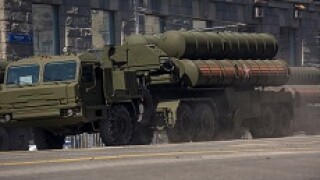
Turkey is butting heads with Nato over the purchase of a Russian missile system, with the diplomatic tensions weighing on the nation’s currency and asset prices. This is despite the improving economic data offering signs that the country may be leaving recession.
-
Turkey’s finance minister, Berat Albayrak, announced an economic reform programme on Wednesday that left bond investors underwhelmed by promises of TL28bn ($4.88bn) of capital support for Turkey’s state banks. However, the loans refinancing season is progressing undeterred.
-
Turkey’s export-import bank Türk Eximbank has become the latest Turkish bank to refinance, joining Akbank and Ziraat bank. The deal was oversubscribed, and received enough demand to add two new tranches.
-
Turkish bank and sovereign debt valuations are making a modest recovery in capital markets, despite confusion surrounding Turkey's local election results last week.
-
Turkey’s ruling party AK was victorious in Sunday’s local elections, although polling poorly in major cities — a result that investors think will hasten economic reform.
-
The European Bank for Reconstruction and Development plans to raise its new investment to more than €10bn in 2019 for the first time in the bank’s history, after suffering a fall last year as it took a hit to its profits. By Phil Thornton.
-
It was all going so well, until it wasn’t. After a strong run for Turkish borrowers in the capital markets, news of tumbling central bank reserves sparked an investor exodus and hasty action aimed at supposed short sellers in the foreign exchange market this week. While some emerging markets old hands expect things to blow over after the country’s local elections on Sunday, any surprises there could become catalysts for a deeper crisis.