
Top Section/Ad
Top Section/Ad
Most recent

Second digital project won’t be the issuer’s last, Länder peers may be ‘interested and willing’ to join in

◆ Half-year close keeps some issuers on sidelines ◆ Bankers expect big euro supply to come ◆ More concession on pricing could be required

A Kilt will pay a spread over Gilts it cannot justify on credit, which makes it a political gesture rather than a funding tool

Guillaume Pichard, assistant deputy minister, on the five year call, the repo boost and the cost versus home
More articles/Ad
More articles/Ad
More articles
-
Regional governments are expected to increase their sale of green bonds in the coming months, according to bankers, taking an opportunity to diversify their investor bases. Stockholm County Council sold its first green debt this week and was rewarded with an increase in international distribution.
-
The Province of British Columbia will make its Kangaroo debut on Friday, drawing strong demand from investors. The deal will round off a hot week for issuance for Kangaroos, during which the Asian Development Bank sold the largest such deal from a sovereign, supranational or agency in almost three years.
-
Sovereigns stole the limelight in the euro market this week with Italy and Spain printing blowouts, but the focus will shift to the European Financial Stability Facility next week. The rescue agency sent out requests for proposals on Wednesday ahead of a benchmark deal for which it has the whole length of the curve open to it, according to syndicate bankers.
-
The Province of British Columbia will make its Kangaroo debut on Friday, and is drawing strong demand from investors attracted to its top quality rating and scarcity. The deal comes on the heels of a five year dual tranche from Asian Development Bank — the largest Kangaroo deal in almost three years.
-
Stockholm County Council caught the attention of international investors with its debut green bond on Monday, just the second from a Swedish region. More regional governments — both from Sweden and more generally — are expected to look at green issuances, inspired by the chance to diversify their funding bases.
-
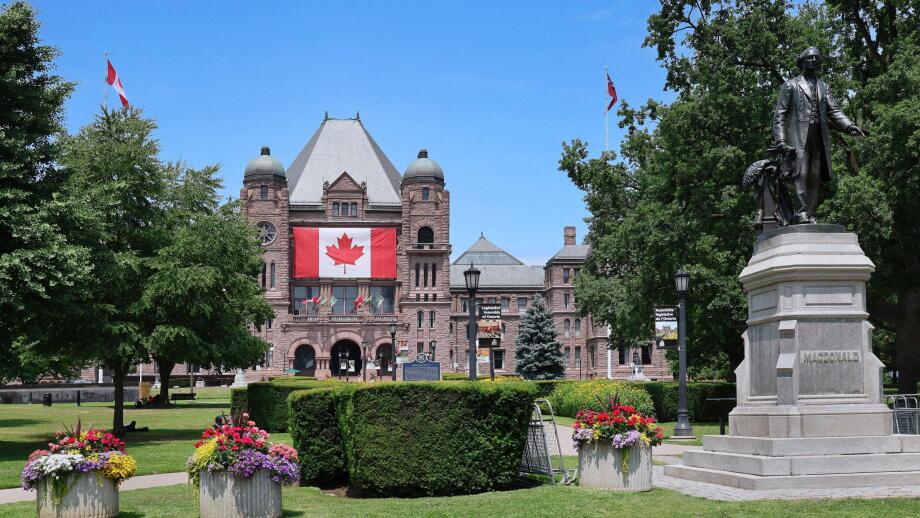
Investors stormed into Province of Ontario’s first euro benchmark in almost four years on Tuesday, allowing it to print a €1.75bn 10 year deal. Meanwhile, Rentenbank got €1.25bn away with an eight year print.