Top Section/Ad
Top Section/Ad
Most recent


The interventionist approach of the US government in forcing Anthropic to pull cutting edge model should worry Europeans

◆ What now for European Secured Notes ater long-awaited debut? ◆ The mood in European securitization amid MFS fallout and reg reform ◆ Digitalisation of bond market is up to the regulators

Markets are looking to the authorities to simplify blockchain issues, but they may not have the purest motives

The new European Secured Note market is keen to secure regulatory recognition for the new product but there are advantages to not having it
More articles/Ad
More articles/Ad
More articles
-
 The Communist Party changes the constitution to allow Xi Jinping to serve a third term as president, banking watchdog standardises market entry rules for local and international banks, and China’s legislature approves a two-year extension for the registration-based IPO system.
 -
Outstanding bonds issued by Vivat NV, the Dutch insurance group, suffered on Friday morning after its parent company Anbang Insurance Group was seized by Chinese authorities — but a sale to a European firm could provide an upside for bondholders.
-
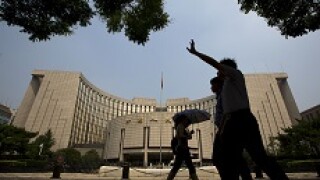
China is aligning itself with central banks around the world by giving the People’s Bank of China a leading role in regulating financial markets, Xu Zhong, head of the research bureau at the PBoC, has argued.
-
The US Department of the Treasury defied Republican calls to scrap the Orderly Liquidation Authority this week, after publishing a report in which it recommended an overhaul of the nation’s framework for dealing with failing banks.
-
New securitization rules could put EU-domiciled banks at a competitive disadvantage arranging US CLOs, if EU risk retention rules are applied in their planned form. Market participants raised the issue at a public hearing on Monday, but regulators refused to be drawn on whether they would try to cure the problem in the final version of the rules.
-
The People’s Bank of China has laid out its next moves to upgrade the domestic bond markets, including better market standards, clearer default rules and further opening to foreign investors — steps that could make regulators less active in the corporate debt market.