Top Section/Ad
Top Section/Ad
Most recent


With equity returns under strain, managers would do well to slow the pace of CLO issuance

Issuance has kept going by giving investors just what they want

John Healey resigned because the money was not there for defence. It may not be there for anything

Bifurcation is emerging in how investors treat the hyperscalers
More articles/Ad
More articles/Ad
More articles
-
For borrowers, the loan market is getting easier all the time. Pricing is contracting, tenors are getting longer and fees are being cut. Some of this is positive, a sign of how much the market is improving. But banks must not let conditions slip too far. They should avoid a return to the heady days of early 2007.
-
In the first of two editorials about Switzerland’s plans for contingent capital, EuroWeek argues that the country’s proposals to address the problem of too big to fail banks are a breath of fresh air in the disjointed international debate. Other regulators would be wise to study them closely.
-
Europe’s corporate bond market has recently been skewed towards the long end as investors desperately hunt for yield. But the trend cannot last indefinitely.
-
The FSA wants to stop insider information leaking into the press. Shutting down this market abuse is the right thing to do but the regulator’s plans are as ham-fisted as ever.
-
By looking after banks’ senior bond investors, the Irish government has given itself a chance — albeit a slim one — of getting the financial system back on its feet.
-
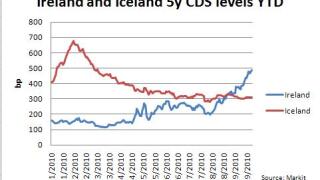
 Strong demand for the first international bond issue from Iceland since its banking system’s collapse two years ago suggests a thaw in market sentiment. A sovereign issue may not be far off and that could be a better buy than Ireland.